Reading
Gothic Classics: Where to Start
· 6 min read
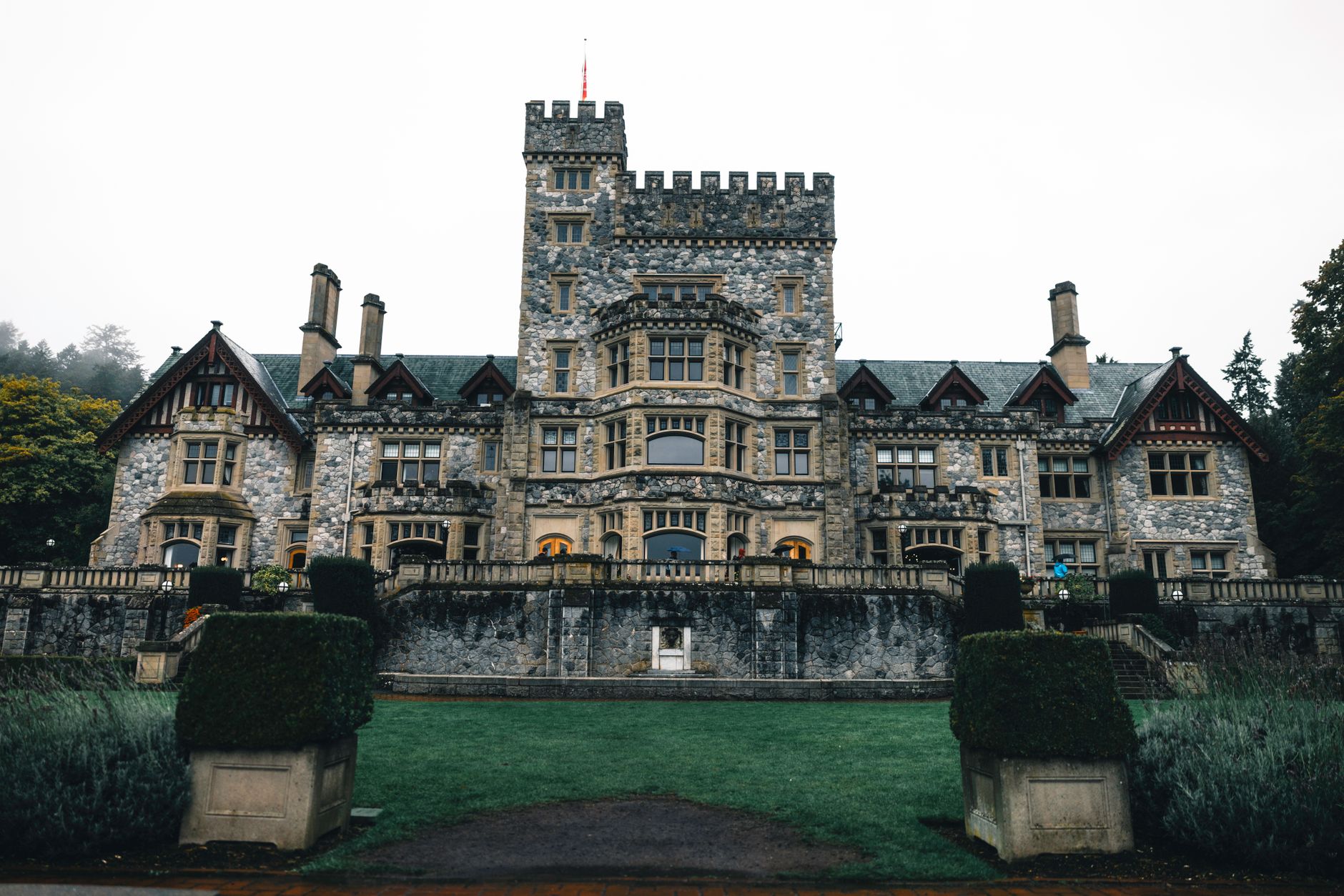
The summer of 1816 never quite arrived. Mount Tambora had erupted the year before, ash dimmed the European sky, and a rained-in house party beside Lake Geneva resorted to telling ghost stories. Lord Byron proposed a contest; the eighteen-year-old at the table, Mary Godwin, began the entry that outlived them all. Gothic fiction has many doors, but most of them seem to open off that one wet villa.
Two centuries on, the gothic shelf can intimidate: triple-decker Victorians, nested narrators, weather with intent. It should not. Ranked by readability, here is where to start — and one famous trap to step around.
Gothic Novels for Beginners: Start with Wilde
Begin with Oscar Wilde. His only novel, Picture of Dorian Gray, appeared in Lippincott's Monthly Magazine in 1890 and was expanded to twenty chapters the next year. The premise fits in one sentence — painter Basil Hallward captures a beautiful young man on canvas, and the portrait ages while the man stays untouched — and Wilde spends the book making corruption sound like good conversation, mostly through the drawling Lord Henry Wotton. Short chapters, epigrams on every page, and horror that arrives politely, in evening dress. It is the gentlest on-ramp the genre offers.
The Brontë Fork: Jane Eyre or Wuthering Heights
Both published in 1847, both pseudonymous, both still argued about. Charlotte's Jane Eyre — signed 'Currer Bell' — is the smoother road: an orphan survives the red-room at Gateshead and the typhus-ridden Lowood school, then takes a governess post at Thornfield Hall, where someone laughs on the third floor at night. Emily's Wuthering Heights, published as by 'Ellis Bell', is wilder in every direction: the foundling Heathcliff and Catherine Earnshaw tearing at each other across the Yorkshire moors, the story reaching you third-hand through the lodger Lockwood and the housekeeper Nelly Dean. It was the only novel Emily published; she died the next year. Start with Jane, graduate to the Heights.
Frankenstein, the Gothic Novel That Started Science Fiction
That Geneva ghost story became Frankenstein, published anonymously in 1818 when its author — by then Mary Shelley — was twenty. It is stranger than its reputation: no lightning-lab theatrics, but an Arctic frame of letters from the explorer Robert Walton, a Geneva-born student named Victor who assembles a creature at Ingolstadt and flees it, and a monster who reads Paradise Lost and argues his own case in fluent, wounded paragraphs. Brian Aldiss called it the first true science fiction novel, and the case is strong: the dread comes from an experiment, not a curse. Read it third, once the mansions have warmed you up for the ice.
The Dracula Trap
One warning before the vampire. Dracula's Guest is not the novel: it is a short-story collection published in 1914, two years after Bram Stoker's death, with a preface by his widow Florence claiming the title piece was a chapter cut from Dracula itself. As a fifteen-minute taster of Stoker's voice — an Englishman walking into a snowstorm on Walpurgis Night — it is genuinely useful; just do not mistake it for the 1897 epistolary novel, which remains the real destination.
A workable first year of gothic, then: Wilde for the wit, Jane Eyre for shelter and dread in the same house, Frankenstein for the ideas, Wuthering Heights once you trust the weather, and Stoker's short taster before the 1897 novel itself. After that the vaults open — the eighteenth-century founders, the Victorian ghost tales, the modern revivals — and by then you will not need a map.
Build your classics shelf — explore more enduring novels on Bookspace.#gothic fiction #classics #where to start