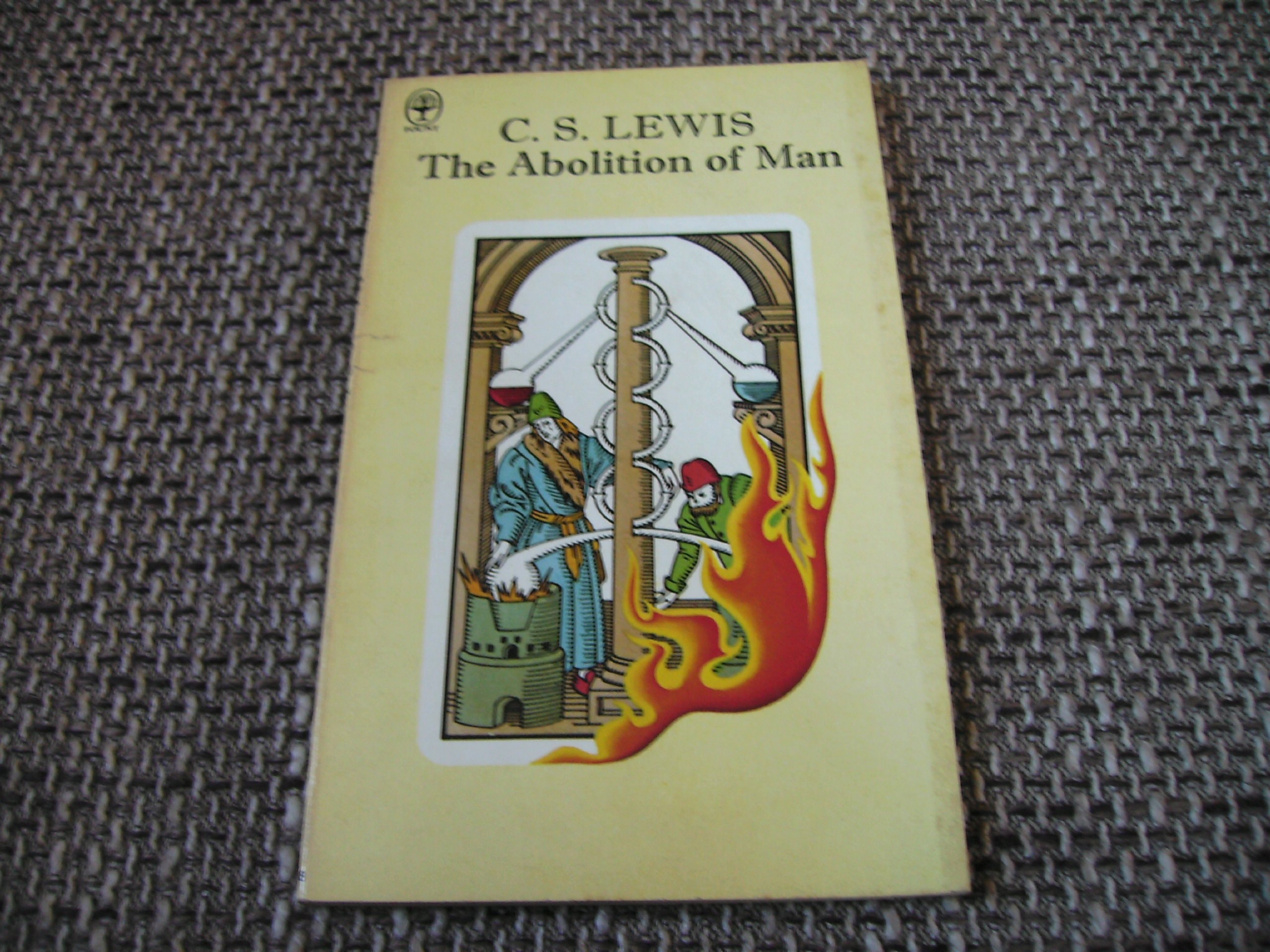
The Abolition of Man, Or, Reflections on Education with Special Reference to the Teaching of English in the Upper Forms of Schools
- Dil
- English
Özet
Amazon.com Review C.S. Lewis's The Abolition of Man purports to be a book specifically about public education, but its central concerns are broadly political, religious, and philosophical. In the best of the book's three essays, "Men Without Chests," Lewis trains his laser-sharp wit on a mid- century English high school text, considering the ramifications of teaching British students to believe in idle relativism, and to reject "the doctrine of objective value, the belief that certain attitudes are really true, and others really false, to the kind of thing the universe is and the kinds of things we are." Lewis calls this doctrine the "Tao," and he spends much of the book explaining why society needs a sense of objective values. The Abolition of Man speaks with astonishing freshness to contemporary debates about morality; and even if Lewis seems a bit too cranky and privileged for his arguments to be swallowed whole, at least his articulation of values seems less ego-driven, and therefore is more useful, than that of current writers such as Bill Bennett and James Dobson. --Michael Joseph Gross.
Bu kitap hakkında gönderiler
Bu kitap hakkında henüz gönderi yok. Uygulamada ilk paylaşan sen ol!


