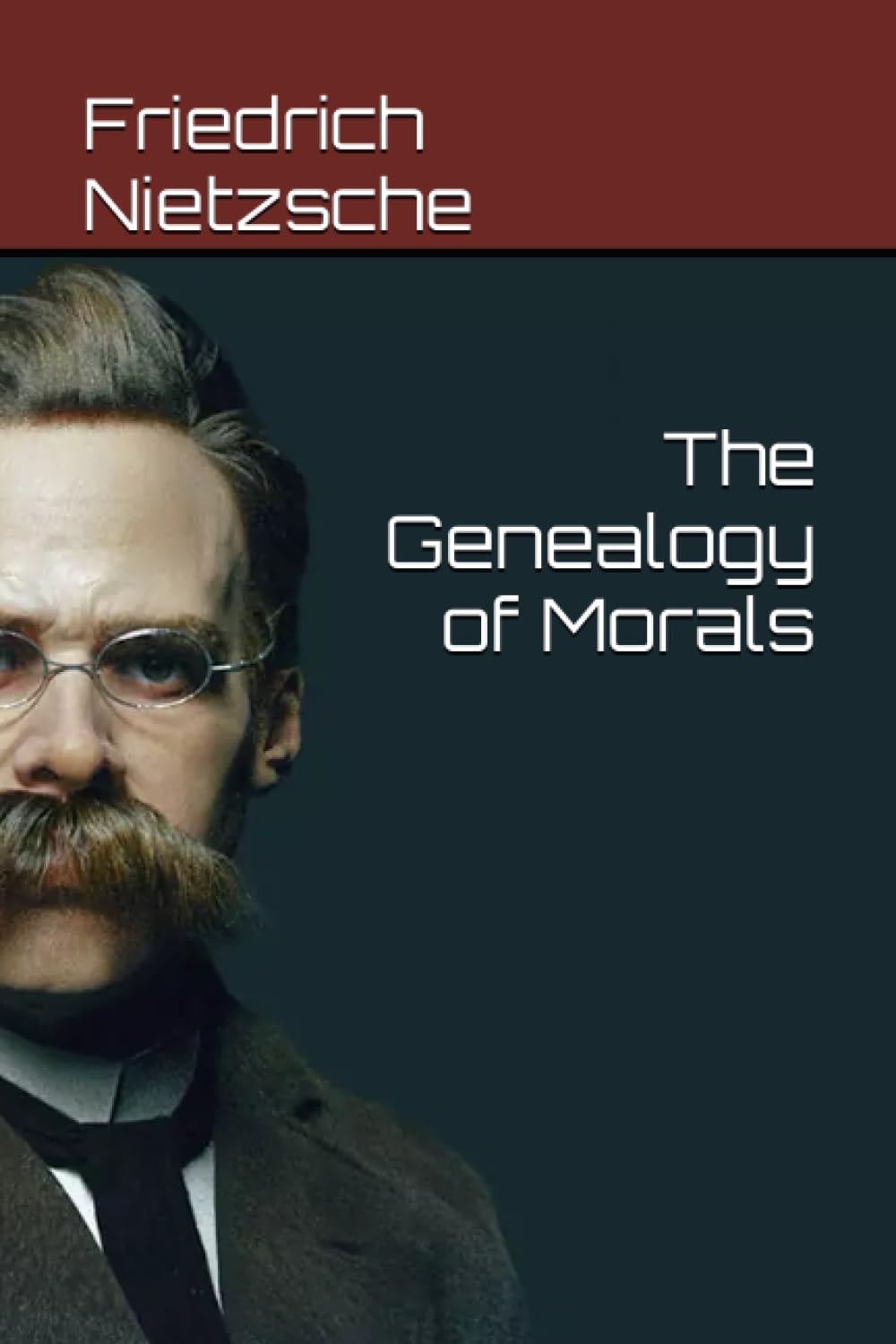
The Genealogy of Morals is Friedrich Nietzsche's fierce investigation of morality, guilt, punishment, conscience, ressentiment, and the origins of values. Written as a series of polemical essays, the book asks how ideas of good and evil developed, why suffering became moralized, and how religious and social forces shaped the modern sense of responsibility and blame.
Nietzsche's method is historical, psychological, and provocative rather than neutral. He challenges readers to see morality as something made by human conflict, power, weakness, memory, and interpretation. The work is central for understanding his mature thought. Readers interested in philosophy, ethics, nihilism, Christianity, power, moral psychology, and the critique of modern values will find one of Nietzsche's most important books.