
Serhan@serhankileci· 6ay🇹🇷
"En büyük günahın, bir hiç uğruna kendini mahvetmiş ve kendine ihanet etmiş olmandır."
11


Crime and Punishment follows Rodion Raskolnikov, an impoverished former student in St. Petersburg whose theory of exceptional people leads him toward a brutal crime and a psychological unraveling. Fyodor Dostoevsky surrounds him with figures of desperation, faith, pride, calculation, and compassion, each pressing on his attempts to justify himself.
This is a psychological and philosophical novel for readers drawn to moral suspense rather than simple mystery. Dostoevsky explores guilt, poverty, alienation, punishment, illness, confession, and the possibility of spiritual renewal with relentless intensity. Crime and Punishment is especially compelling for anyone interested in how ideas become dangerous when detached from human sympathy, and how conscience can pursue a person more closely than the law itself.
Bookspace topluluğundan 3 gönderi
"En büyük günahın, bir hiç uğruna kendini mahvetmiş ve kendine ihanet etmiş olmandır."
acı insanın en büyük öğretmenidir. Çünkü mutluluk çoğu zaman yuzeyseldir; fakat acı, insanı kendi gerçeğiyle yüzleştirir. Karanlıktan kaçan değil, onun içinden geçen kişi olgunlaşır.
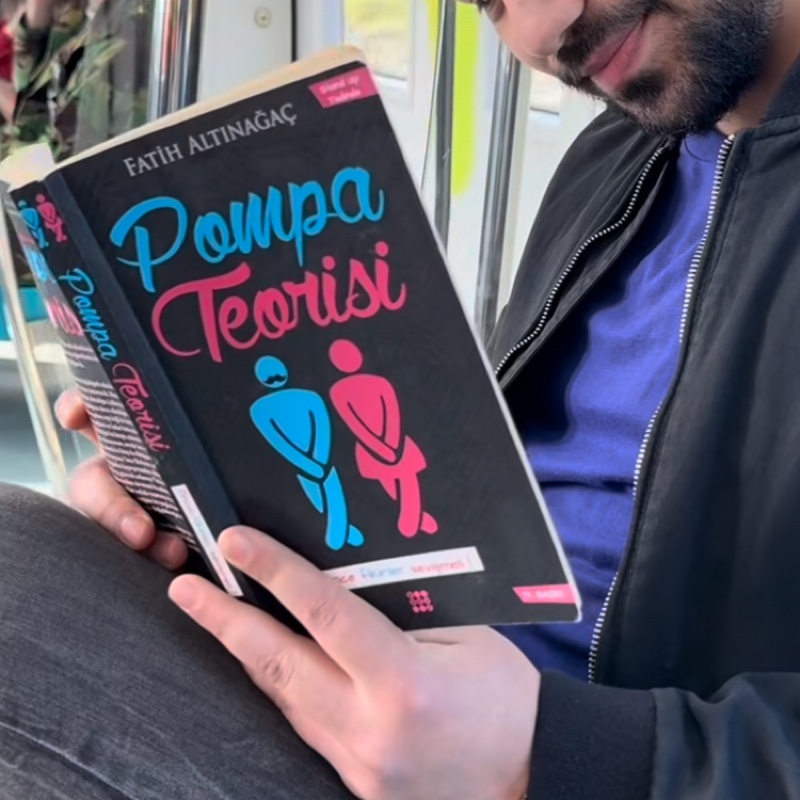
suç ve ceza falan filan


