zyy@zeyyy000· 7mo🇹🇷
“İnsanın yüreği, duman gibi yükselir acının içinden; bir an parlar, sonra dağılır.”
6
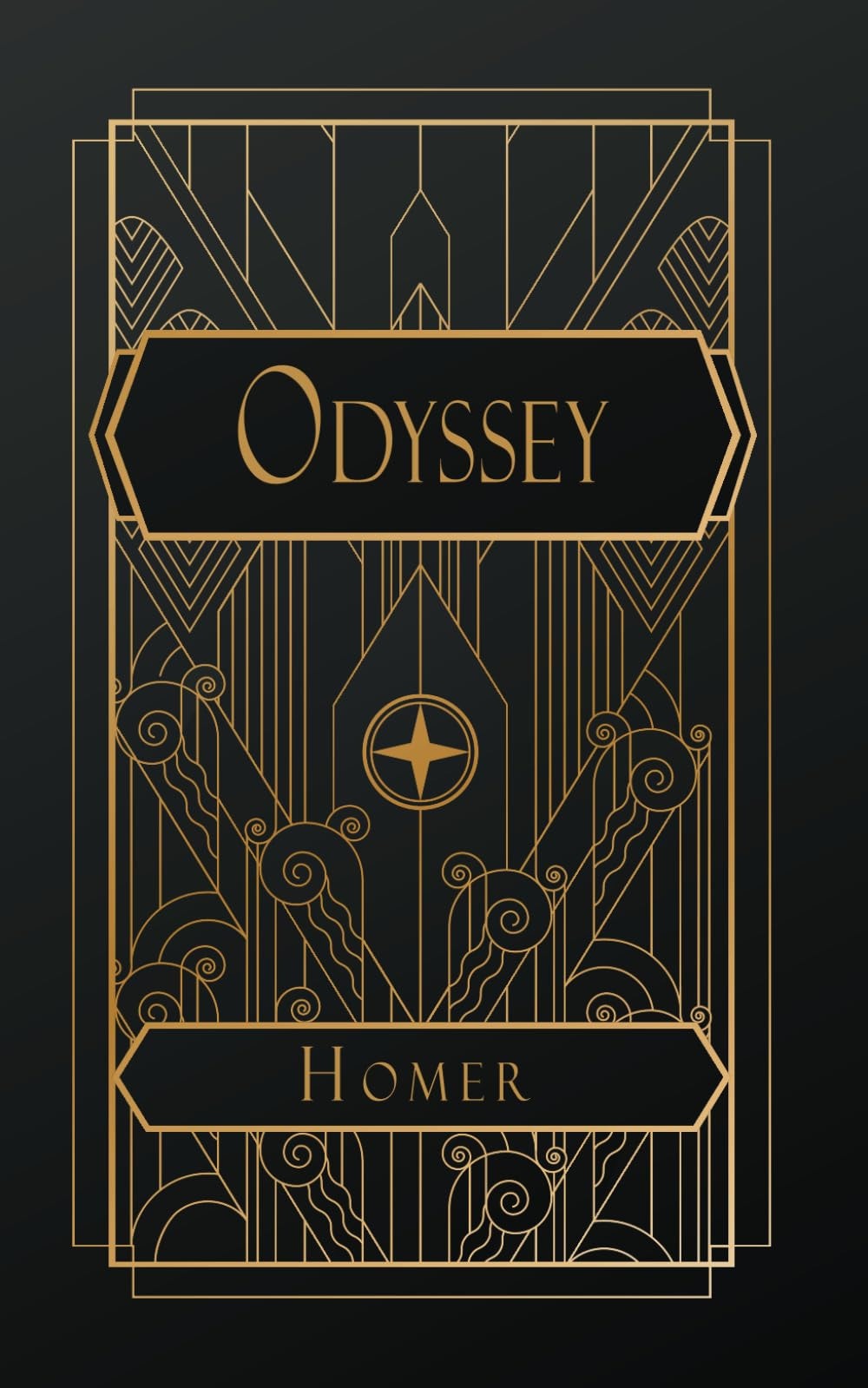
by Homer
Product Description Translated in heroic couplets by Alexander Pope, The Odyssey is a sequel to Homer's The Iliad. Odysseus, the captain of Greeks and the hero of Trojan War, is returning home to his wife in Ithaca after the Greek victory. He faces dangers and trials beyond measure. About the Author Alexander Pope, master of the heroic couplet, is the best-known poet of the early eighteenth century. Several of Pope's couplets have been so often quoted that they seem like cliches now, which is an indication of the power and influence of his work. Some examples are 'A little learning is a dang'rous thing', 'To err is human, to forgive, divine', 'For fools rush in where angels fear to tread'. Most of us, at some point in our lives, have quoted Pope without realizing it. Review “[Robert Fitzgerald’s translation is] a masterpiece . . . An Odyssey worthy of the original.” – The Nation “[Fitzgerald’s Odyssey and Iliad] open up once more the unique greatness of Homer’s art at the level above the formula; yet at the same time they do not neglect the brilliant texture of Homeric verse at the level of the line and the phrase.” – The Yale Review “[In] Robert Fitzgerald’s translation . . . there is no anxious straining after mighty effects, but rather a constant readiness for what the occasion demands, a kind of Odyssean adequacy to the task in hand, and this line-by-line vigilance builds up into a completely credible imagined world.” –from the Introduction by Seamus Heaney Excerpt. © Reprinted by permission. All rights reserved. I Athene Visits Telemachus Tell me, Muse, the story of that resourceful man who was driven to wander far and wide after he had sacked the holy citadel of Troy. He saw the cities of many people and he learnt their ways. He suffered great anguish on the high seas in his struggles to preserve his life and bring his comrades home. But he failed to save those comrades, in spite of all his efforts. It was their own transgression that brought them to their doom, for in their folly they devoured the oxen of Hyperion the Sun-god and he saw to it that they would never return. Tell us this story, goddess daughter of Zeus, beginning at whatever point you will. All the survivors of the war had reached their homes by now and so put the perils of battle and the sea behind them. Odysseus alone was prevented from returning to the home and wife he yearned for by that powerful goddess, the Nymph Calypso, who longed for him to marry her, and kept him in her vaulted cave. Not even when the rolling seasons brought in the year which the gods had chosen for his homecoming to Ithaca was he clear of his troubles and safe among his friends. Yet all the gods pitied him, except Poseidon, who pursued the heroic Odysseus with relentless malice till the day when he reached his own country. Poseidon, however, was now gone on a visit to the distant Ethiopians, in the most remote part of the world, half of whom live where the Sun goes down, and half where he rises. He had gone to accept a sacrifice of bulls and rams, and there he sat and enjoyed the pleasures of the feast. Meanwhile the rest of the gods had assembled in the palace of Olympian Zeus, and the Father of men and gods opened a discussion among them. He had been thinking of the handsome Aegisthus, whom Agamemnon’s far-famed son Orestes killed; and it was with Aegisthus in his mind that Zeus now addressed the immortals: ‘What a lamentable thing it is that men should blame the gods and regard us as the source of their troubles, when it is their own transgressions which bring them suffering that was not their destiny. Consider Aegisthus: it was not his destiny to steal Agamemnon’s wife and murder her husband when he came home. He knew the result would be utter disaster, since we ourselves had sent Hermes, the keen-eyed Giant-slayer, to warn him neither to kill the man nor to court his wife. For Orestes, as Hermes told him, was bound to avenge Agamemnon as soon as he grew up and thought with
1 posts from the Bookspace community
“İnsanın yüreği, duman gibi yükselir acının içinden; bir an parlar, sonra dağılır.”


