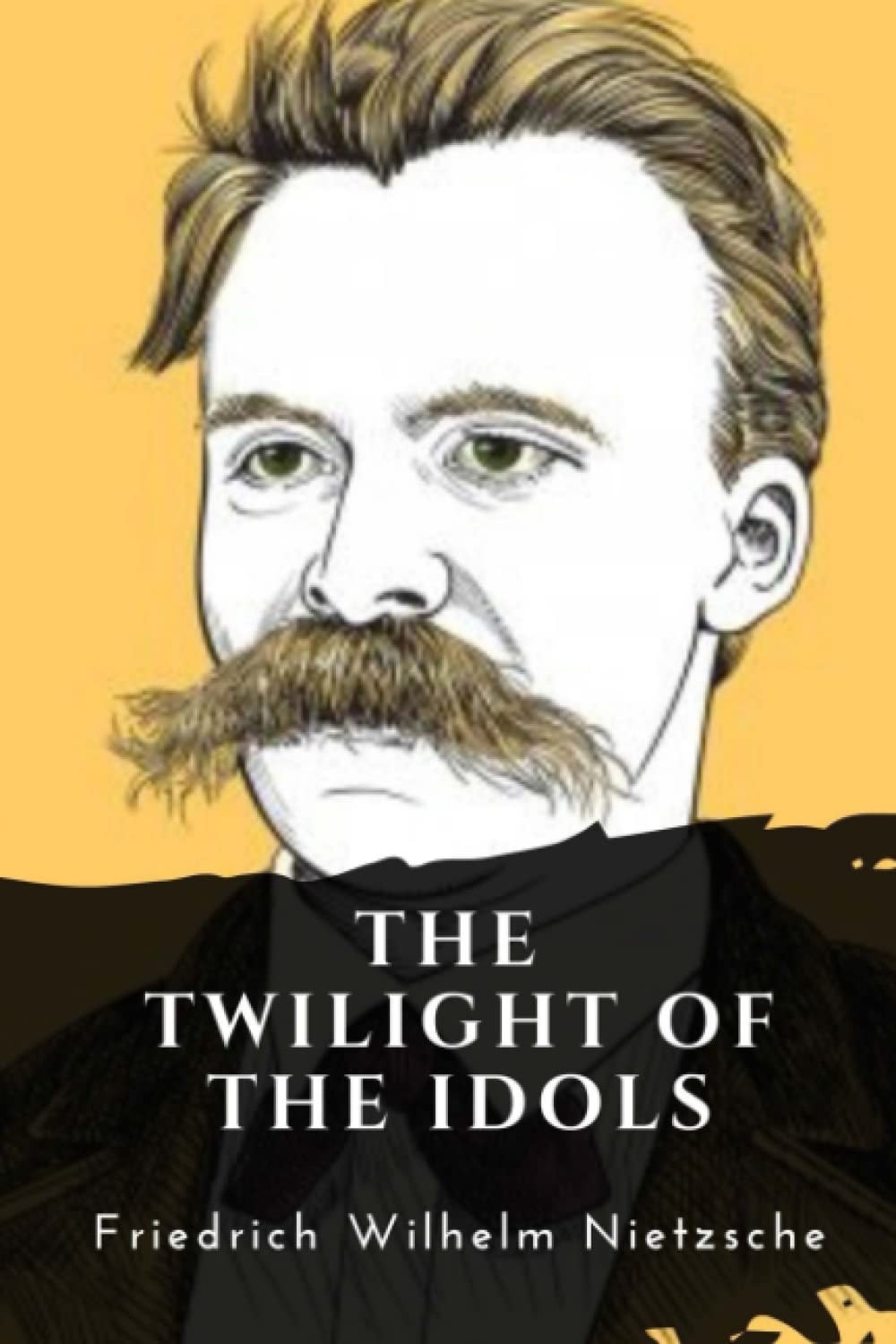
The Twilight of the Idols
- Publisher
- Independently published
- Pages
- 71
- Language
- English
- Published
- 2022-08-23
Overview
The Twilight of the Idols<br/><br/> THE PROBLEM OF SOCRATES<br/><br/><br/><br/> 1<br/><br/> In all ages the wisest have always agreed in their V judgment of<br/> life: it is no good. At all times and places the same words have<br/> been on their lips,--words full of doubt, full of melancholy, full of<br/> weariness of life, full of hostility to life. Even Socrates' dying<br/> words were:--"To live--means to be ill a long while: I owe a cock to<br/> the god Æsculapius." Even Socrates had had enough of it. What does that<br/> prove? What does it point to? Formerly people would have said (--oh,<br/> it has been said, and loudly enough too; by our Pessimists loudest of<br/> all!): "In any case there must be some truth in this! The consensus<br/> sapientium is a proof of truth."--Shall we say the same to-day? May<br/> we do so? "In any case there must be some sickness here," we make<br/> reply. These great sages of all periods should first be examined more<br/> closely! Is it possible that they were, everyone of them, a little<br/> shaky on their legs, effete, rocky, decadent? Does wisdom perhaps<br/> appear on earth after the manner of a crow attracted by a slight smell<br/> of carrion?<br/><br/><br/> 2<br/><br/> This irreverent belief that the great sages were decadent types, first<br/> occurred to me precisely in regard to that case concerning which both<br/> learned and vulgar prejudice was most opposed to my view I recognised<br/> Socrates and Plato as symptoms of decline, as instruments in the<br/> disintegration of Hellas, as pseudo-Greek, as anti-Greek ("The Birth<br/> of Tragedy," 1872). That consensus sapientium, as I perceived ever<br/> more and more clearly, did not in the least prove that they were right<br/> in the matter on which they agreed. It proved rather that these sages<br/> themselves must have been alike in some physiological particular, in<br/> ord
Posts about this book
No posts about this book yet. Be the first in the app!


