
Serhan@serhankileci· 6mo🇹🇷
"En büyük günahın, bir hiç uğruna kendini mahvetmiş ve kendine ihanet etmiş olmandır."
11
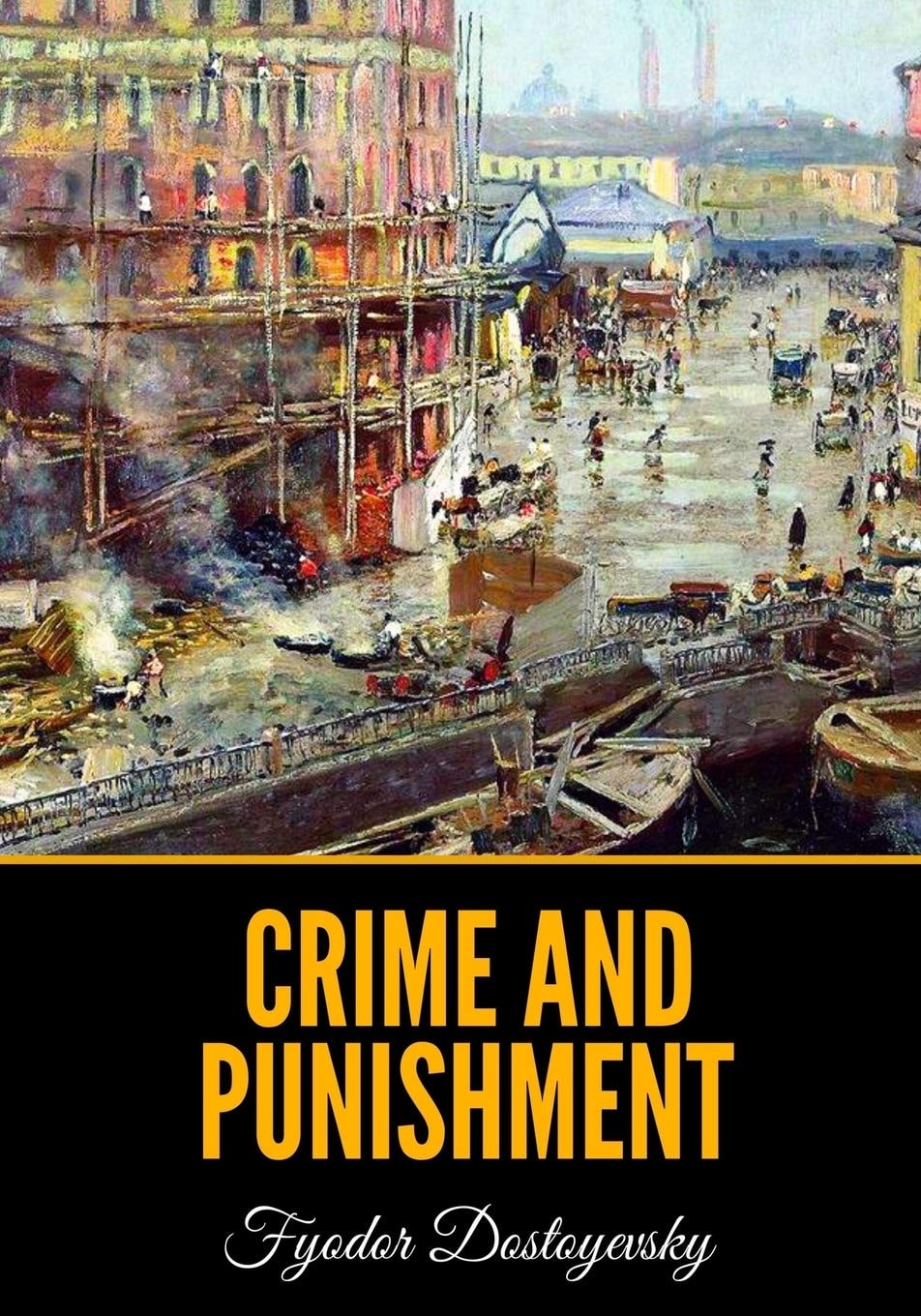
Fyodor Dostoyevsky's Crime and Punishment is a tense psychological novel about pride, poverty, murder, and conscience. Raskolnikov convinces himself that he can step outside ordinary morality, but the crime sends him into a fever of fear and self-judgment that steadily exposes how fragile his theories really are.
This is one of the great books for readers who want literary fiction with moral depth and intense inward drama. Dostoyevsky combines a murder story with philosophical argument, urban gloom, and a search for redemption, making the novel feel urgent even when the action slows down. It is unsettling, thoughtful, and hard to forget. Its moral pressure comes from guilt, not just the murder.
2 posts from the Bookspace community
"En büyük günahın, bir hiç uğruna kendini mahvetmiş ve kendine ihanet etmiş olmandır."
acı insanın en büyük öğretmenidir. Çünkü mutluluk çoğu zaman yuzeyseldir; fakat acı, insanı kendi gerçeğiyle yüzleştirir. Karanlıktan kaçan değil, onun içinden geçen kişi olgunlaşır.


