
aycan@opheliaaa· 6mo🇹🇷
novel dersinden sınav kağıdımın üstünde kalp ve çok iyi bir kağıt notu görünce günümün kalitesi..
6
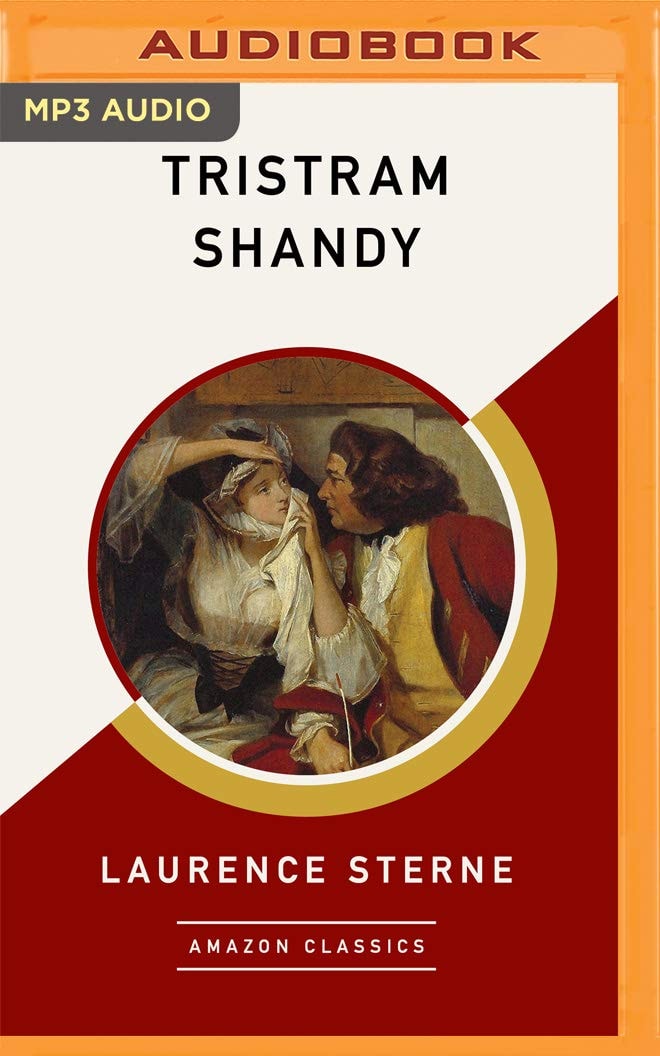
Product Description <br/>Beginning with the events leading up to his conception, Tristram Shandy intends to grace readers with his remarkable life story. But his words often run wild. And through two expansive arcs―marvels of incident―so does his narrative, chockablock with family, friends, chambermaids, midwives, parsons, guardians, and neighbors. For the defensive Tristram, marshaling his material becomes something of a wonderful struggle with every new digression.<br/>Defiantly original, deliberately playful, and an absurd celebration of writing, Tristram Shandy’s progressive experimental structure divided critics, delighted readers, and exerted an influence on generations of writers. Today, Laurence Sterne’s tour de force is universally lauded as a milestone in metafictional narrative.<br/>Revised edition: Previously published as Tristram Shandy, this edition of Tristram Shandy (AmazonClassics Edition) includes editorial revisions.<br/> About the Author <br/>Laurence Sterne (1713–1768) was an Irish-born Anglican clergyman and writer best known for The Life and Opinions of Tristram Shandy, Gentleman, one of the most celebrated novels of the eighteenth century.<br/>Born in Clonmel, Ireland, to a transient ensign in a British regiment, Sterne was eventually left in the care of his grandfather, the Archbishop of York. Sterne received a bachelor of arts degree at Jesus College, Cambridge, and served as vicar of several benefices in and near York. After publishing a series of sermons, verses for Gentleman’s Magazine, political treatises, and an inflammatory satire titled A Political Romance, Sterne embraced his calling as a writer. As modestly successful as he was, nothing prepared readers―or Sterne himself―for his innovative magnum opus, Tristram Shandy, published in nine volumes between 1759 and 1767. Praised, feted, and widely read throughout Europe, Sterne would write one more novel, A Sentimental Journey through France and Italy, before succumbing to tuberculosis.
2 posts from the Bookspace community
novel dersinden sınav kağıdımın üstünde kalp ve çok iyi bir kağıt notu görünce günümün kalitesi..
"Aristo’nun Başyapıtı’nda denilmiştir ki, “İnsan geçmişe ilişkin bir şeyler düşündüğünde,—aşağı, yere bakar;—oysa geleceğe ilişkinse düşünceleri, gözlerini yukarı, gökyüzüne çevirir.”


