R.U.R
HumanitiesTheatreSpecial Topics

R.U.R

by Karel Capek

Publisher
Dover Publications
Pages
96
Language
English
Published
2014-03-05

Overview

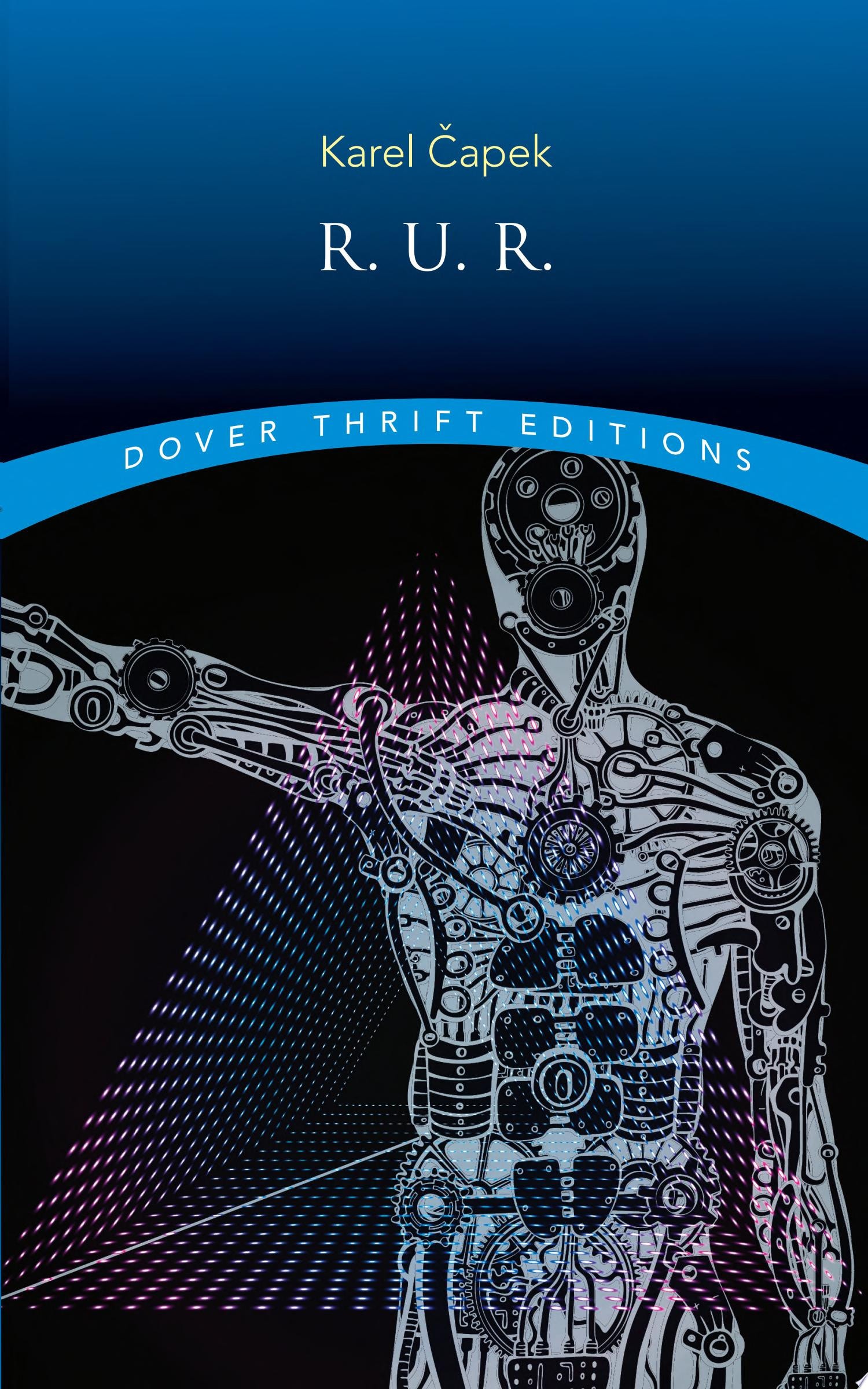
One of the classics of twentieth-century theater, this brilliantly conceived and exquisitely executed play by Czech playwright Karel Čapek (1890–1938) looks to a future in which all workers are automatons, or "robots" — a word this play made a permanent part of the language. The robots revolt when their manufacturing formula is changed to make them more irritable and to give them the human ability to hate, and the resulting catastrophe makes for a powerful and deeply moving theatrical experience. "It is murderous social satire, done in terms of the most hair-raising melodrama," wrote Alexander Woolcott in his 1922 review of the first U.S. performance of this universally admired play. Heywood Broun wrote, "Čapek is potentially one of the great men in the modern drama. He has devised a scene at the end of the third act as awesome as anything we have ever seen in the theatre." This is the scene in which one of the last remaining humans, knowing himself and his species to be doomed, muses: "It was a great thing to be a man. There was something immense about it."

Posts about this book

4 posts from the Bookspace community

Kuda@kuday· 9mo🇹🇷

Tiyatro oyunu ve bilim kurgu severlere öneri Yazdığı, R.U.R - Rossumovi Univerzalní Roboti adlı futuristik tiyaro oyunu ile Robot kelimesini dünya dillerine kazandıran Karel Čapek, insan hayatına giren işçi robotların; yeni dünya düzeni kurulurken her şeyi temelinden sarsacak kararları nasıl alındığını ve büyük isyanlara giden bir dünyayı anlatıyor. Bilim Kurgu, insan robot ilişkisi, yapay zeka meraklıları için türünün ilk örneklerinden olması hasebiyle kıymetli bir tiyatro oyunu... :)

6
Kuda@kuday· 9mo🇹🇷

Robot kelimesi Çekçe "robota" kelimesinden gelir. Robota kelimesi, "köle" anlamına gelen Slav kökenli bir sözcükten gelmektedir. Serflik olan "Robotalık", 1848'de Bohemya'da (günümüzdeki Çekya) yasaklanır. Ćapek'in yaşadığı yıllarda halen robotalık devrini anımsayan insanlar vardır. Robotalık devrindeki serf isyanları da yazara eserinde ilham vermiş olabilir. Kelime ayrıca "serf emeği" ve mecazi olarak "angarya" veya "zor iş" anlamlarını da gelmektedir Slovakça, arkaik Çekçe ve diğer pek çok Slav dilinde de "iş" anlamına gelir.

4
Kuda@kuday· 9mo🇹🇷

"DÜNYADAKİ TÜM ROBOTLAR! İNSANIN BİZİM DÜŞMANIMIZ VE EVRENİN MUSİBETİ OLDUĞUNU BİLDİRİRİZ."

1
kayra@kayra45· 4mo🇹🇷

Helena: “Eğer onlara biraz duygu verseydiniz… belki bizi anlarlardı.” Domin: “Duygu üretimi yavaşlatır. Robotun kalbe değil, verime ihtiyacı vardır.” Helena = tipik bir kadın olarak yapacağını yapmış 😂

1

Ready to Meet Someone Who Reads Like You?