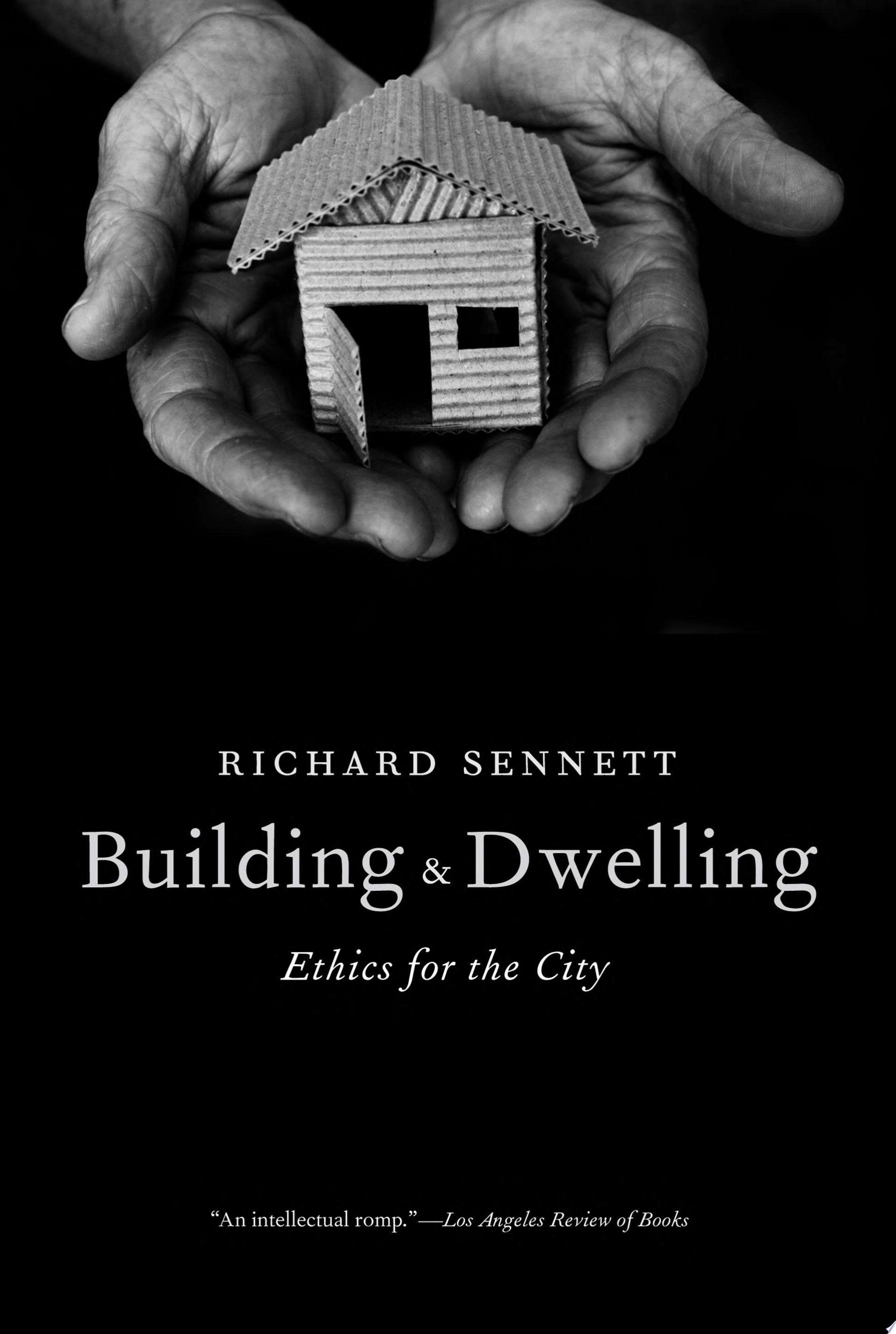
Building and Dwelling
- Publisher
- Yale University Press
- Pages
- 352
- Language
- English
- Published
- 2023-08-22
Overview
<B>A reflection on the past and present of city life, and a bold proposal for its future<BR /> <BR /> “Constantly stimulating ideas from a veteran of urban thinking.”—Jonathan Meades, <I>The Guardian</I></B><BR /> <BR /> In this sweeping work, the preeminent sociologist Richard Sennett traces the anguished relation between how cities are built and how people live in them, from ancient Athens to twenty-first-century Shanghai. He shows how Paris, Barcelona, and New York City assumed their modern forms; rethinks the reputations of Jane Jacobs, Lewis Mumford, and others; and takes us on a tour of emblematic contemporary locations, from the backstreets of Medellín, Colombia, to Google headquarters in Manhattan.<BR /> <BR /> Through it all, Sennett laments that the “closed city”—segregated, regimented, and controlled—has spread from the Global North to the exploding urban centers of the Global South. He argues instead for a flexible and dynamic “open city,” one that provides a better quality of life, that can adapt to climate change and challenge economic stagnation and racial separation.<BR /> <BR /> With arguments that speak directly to our moment—a time when more humans live in urban spaces than ever before—Sennett forms a bold and original vision for the future of cities.
Posts about this book
No posts about this book yet. Be the first in the app!


