
Yasin Demirtaş@karmaa· 7mo🇹🇷
Kediler Hariç 😸 Hiçbir şeye inancım yok, hiçbir şeye umudum yok hiçbir şeye karşı hayırseverliğim yok. I have no faith in anything, no hope in anything, no charity for anything.
9
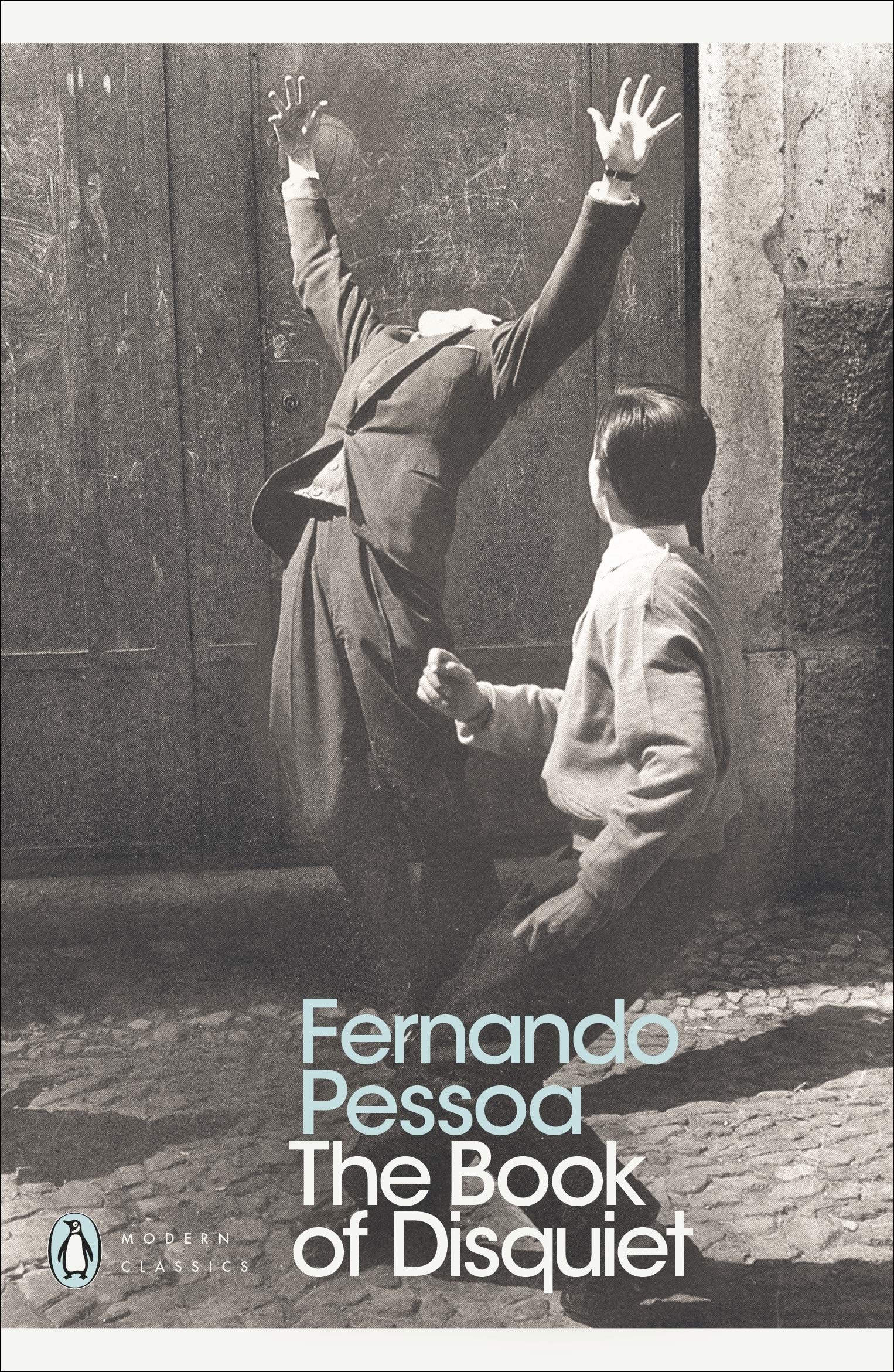
<p><b>Fernando Pessoa's <i>The Book of Disquiet</i> is a modernist masterwork that has now taken on a similar iconic status to <i>Ulysses</i>, <i>The Trial</i> or <i>In Search of Lost Time</i>. This complete and unabridged edition - published in Penguin Modern Classics - is edited and translated with an introduction by Richard Zenith<br></b><br> <b>'The best English-language version we are likely to see for a long time, if ever'</b> - <i>The Guardian<br></i><br> <i>*Winner of the Calouste Gulbenkian Translation Prize for Portuguese Translation*<br></i><br> 'Fernando Pessoa, strictly speaking, doesn't exist,' - so claimed Alvaro de Campos, one of the 'heteronyms', fully-realised substitute personalities invented by Fernando Pessoa to spare himself the trouble of living real life. In this extraordinary book, the putative 'factless autobiography' of an accountant named Bernardo Soares, Fernando Pessoa explores and dismantles the nature of memory, identity, time and narrative, creating one of the greatest - but also the strangest - modernist texts. An assembly of sometimes-linked fragments, The Book of Disquiet is a mesmerising, haunting 'novel' without parallel in any other culture.<br> <br> This edition includes notes on the reconstruction of the text, appendices containing material omitted from the final version and letters which Pessoa intended to incorporate into the text. This edition also includes a table of the 'heteronyms' used by Pessoa in his writing.<br> <br> <b>Fernando Pessoa</b> (1888- 1935) was born in Lisbon but went to live in Durban, South Africa, at the age of seven. He returned to Lisbon in 1905. A prolific writer who ascribed much of his work to a variety of personas, or heteronyms, Pessoa published relatively little of his vast output and supported himself by writing letters in English for import- export firms. Although acknowledged as an intellectual and a poet, his literary genius went largely unrecognized until after his death.<br> <br> <b>Richard Zenith</b> lives in Lisbon, where he works as a freelance writer, researcher and translator. He has edited and translated many works by Fernando Pessoa, including <i>A Little Larger Than the Entire Universe - Selected Poems</i>. His <i>Pessoa: An Experimental Life</i> was a finalist for the Pulitzer Prize in Biography.<br></p>
14 posts from the Bookspace community
Kediler Hariç 😸 Hiçbir şeye inancım yok, hiçbir şeye umudum yok hiçbir şeye karşı hayırseverliğim yok. I have no faith in anything, no hope in anything, no charity for anything.
“ Ne yazıkki, aklın çektiği acı, duyguların çektiği acıdan daha az acı vericidir. “ “ Unfortuanely, the suffering of the intellct is less painfu than that of the emotions,..”
Tanrı beni çocuk olarak yarattı ve sonsuza dek çocuk olarak bıraktı. Peki neden hayatın bana zarar vermesine, oyuncaklarımın elimden alınmasına ve oyun zamanlarımda yalnız bırakmasına izin verdi ? God created me to be a child and left me a child forever. But why did he let life beat me and take away my toys and leave me alone at playtime ?
“Her birimiz farklı şeylerle sarhoş oluyoruz.” “Each of us is intoxicated by different things..”
“ Uzak diyarlarda farklı hayatlar yaşamak isterdim. “ “ I would like to live different lives in distant lands. “
“Hissetmek ne renktir acaba?” “What color is feeling?”
“Gurur, kendi büyüklüğümüze dair duygusal bir kesinliktir.” “Pride is a emotional certainty of our own greatness.”
“Umut mu? Umut edecek neyim var?” “Hope? What have I got to hope for?”
Hiçbir şey yapmadım, sadece hayal kurdum. Bu ve yalnızca bu, hayatımın anlamı oldu. Tek gerçek endişem iç dünyam oldu.
Asla kimseyi sevmeyiz. Sevdiğimiz, birileri hakkındaki fikrimizdir. Kendi kavramımızı - kendi benliğimizi severiz.
:) “Eğer gerçekten bunun bilincinde olsaydık hayat çekilmez olurdu.” “Life would be unbearable if we were truly conscious of it.”
“Şu anda bende uzak bir şey var.” “There is something distant about me just now.”
“Seyahat etmek mi istiyorsun? Seyahat etmek için sadece var olman gerekiyor.” “You want to travel? to travel you simply need to exist”
Neyimiz var ? “Umut mu? Umut edecek neyim var?” “Hope? What have I got to hope for?”


