
sevda@sevdaa55· 7mo🇹🇷
yoksulum ;kimsesiz, ufak tefek, gösterişsizim diye duygusuz, ruhsuz muyum sanıyorsunuz?
17

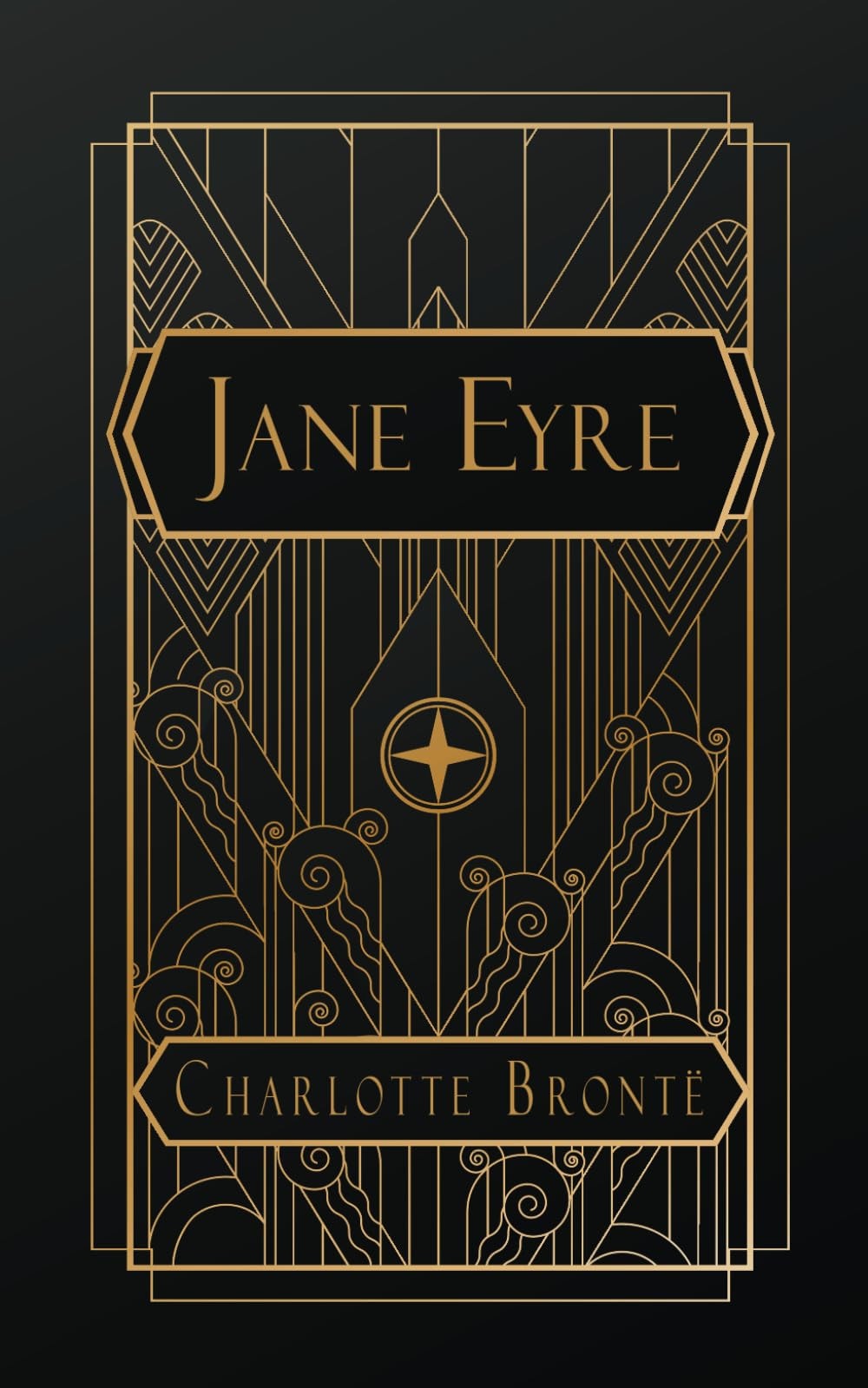
Product Description Orphaned into cold charity at the hands of her rich cousins and, later, at Lowood Asylum, Jane escapes to take up a position as governess to the young ward of Mr. Rochester. Their love affair, Jane's discovery of Rochester's secret-hideously concealed in the attic of Thornfield Hall-and her desperate flight, are told in a drama of passionate intensity whose pace never slackens. Jane Eyre is a love story with a happy ending, rare in its time for its sympathetic portrayal of the love of a married man for another woman. It is, as Thackeray said, 'The masterwork of a great genius.'" Review "At the end we are steeped through and through with the genius, the vehemence, the indignation of Charlotte Brontë."--Virginia Woolf About the Author Charlotte Bronte lived from 1816 to 1855. In 1824 she was sent away to school with her four sisters and they were treated so badly that their father brought them home to Haworth in Yorkshire. The elder two sisters died within a few days and Charlotte and her sisters Emily and Anne were brought up in the isolated village. They were often lonely and loved to walk on the moors. They were all great readers and soon began to write small pieces of verse and stories.Once Charlotte’s informal education was over she began to work as a governess and teacher in Yorkshire and Belgium so that she could add to the low family income and help to pay for her brother Branwell’s art education. Charlotte was a rather nervous young woman and didn’t like to be away from home for too long. The sisters began to write more seriously and published poetry in 1846 under male pen names – there was a lot of prejudice against women writers. The book was not a success and the sisters all moved on to write novels. Charlotte’s best-known book, Jane Eyre, appeared in 1847 and was soon seen as a work of genius. Charlotte really knew how to make characters and situations come alive.Charlotte’s life was full of tragedy, never more so than when her brother Branwell and sisters Emily and Anne died within a few months in 1848/49. She married her father’s curate in 1854 but died in 1855, before her fortieth birthday. Excerpt. © Reprinted by permission. All rights reserved. Chapter OneThere was no possibility of taking a walk that day. We had been wandering, indeed, in the leafless shrubbery an hour in the morning; but since dinner (Mrs. Reed, when there was no company, dined early) the cold winter wind had brought with it clouds so sombre, and a rain so penetrating, that further outdoor exercise was now out of the question.I was glad of it; I never liked long walks, especially on chilly afternoons: dreadful to me was the coming home in the raw twilight, with nipped fingers and toes, and a heart saddened by the chidings of Bessie, the nurse, and humbled by the consciousness of my physical inferiority to Eliza, John, and Georgiana Reed.The said Eliza, John, and Georgiana were now clustered round their mamma in the drawing-room: she lay reclined on a sofa by the fireside, and with her darlings about her (for the time neither quarrelling nor crying) looked perfectly happy. Me, she had dispensed from joining the group, saying, "She regretted to be under the necessity of keeping me at a distance; but that until she heard from Bessie, and could discover by her own observation that I was endeavouring in good earnest to acquire a more sociable and childlike disposition, a more attractive and sprightly manner--something lighter, franker, more natural, as it were--she really must exclude me from privileges intended only for contented, happy little children.""What does Bessie say I have done?" I asked."Jane, I don't like cavillers or questioners; besides, there is something truly forbidding in a child taking up her elders in that manner. Be seated somewhere; and until you can speak pleasantly, remain silent."A small breakfast-room adjoined the drawing-room, I slipped in there. It contained a book
9 posts from the Bookspace community
yoksulum ;kimsesiz, ufak tefek, gösterişsizim diye duygusuz, ruhsuz muyum sanıyorsunuz?

İnsanlar zalim ve adaletsiz kişilere karşı hep nazik ve itaatkâr olursa kötüler bunu kullanır, hiçbir şeyden çekinmezler ve bu yüzden de değişmek bir tarafa, gittikçe daha kötüleşirler.

“Hadi, hadi Jane, ağlamasana!” dedi. Ateşe, “Yanmasana!” demekle birdi bu.

"Kadınlar yemek pişirip çorap örmekle, piyano çalıp nakış işlemekle yetinsin," demeleri dar kafalılıktır! Bir kadın, geleneklerin kendisi için yeterli saydığı şeylerden daha fazlasını yapmak, öğrenmek isterse onu kınamak, alaya almak düşüncesizliktir

Bütün dünya senden nefret etse ve hepsi yalancı olduğuna inansa bile eğer senin vicdanın rahatsa başını dik tutmalısın..
Hasta yatağında yatmak ve ölüm tehlikesiyle karşı karşıya olmak ne kadar üzücü. Bu dünya öyle güzel ki... Buradan kopup bilinmeyen bir yere gitmek zorunda olmak çok acı verici.

Üşüyorsun; çünkü yalnızsın, içinde gömülü duran ateşi hiçbir insanın yakınlığı alevlendirmiyor. Hastasın; çünkü duyguların en güzeli, insanoğluna bağışlanan en tatlı, en yüce duygu senden uzak duruyor. Aptalsın; çünkü onca acı çekerken gene de mutluluğu yanına çağırmaktan kaçınıyorsun; onun seni beklediği yere doğru bir adım atmaya bile yanaşmıyorsun.

bu kitabı okurken çok çelişkiye düştüm çünkü aralarında yaş farkı olmasına rağmen Jane Eyre'ye aşık olan bir adamın terk edilişi ve daha sonra Jane Eyre'nin o kişiyi düşünmesi biraz düşündürücüydü hem seni seven adamı terk edip hem de sonra onu düşünmesi akıllarda madem onu düşünüyorsun neden bıraktın sorusunu akla getiriyor

sad story for jane :/


