
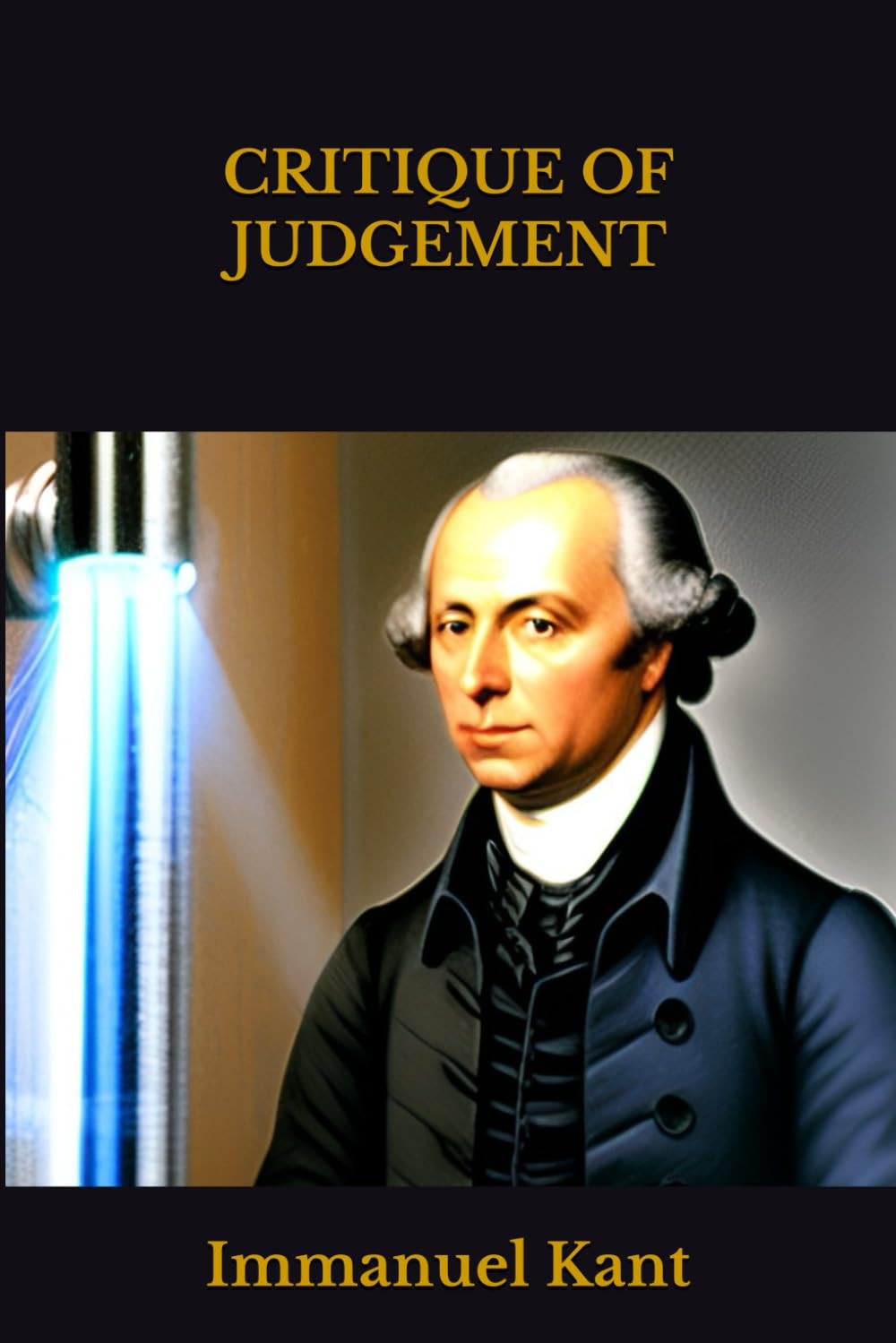
Critique of Judgement by Immanuel Kant, published in 1790, is the third of his Critiques and bridges the gap between nature and freedom by focusing on aesthetics and teleology. In the realm of aesthetics, Kant explores beauty and the sublime, introducing the idea of disinterested pleasure, where beauty is appreciated without personal desires or practical concerns. He examines how aesthetic experience reflects a harmony between imagination and understanding. In teleology, Kant investigates the concept of purposiveness in nature, suggesting that we interpret natural phenomena as if they were designed with a purpose, even without direct evidence. By uniting these ideas, the work reconciles the deterministic laws of nature with human freedom and moral purpose, making it a cornerstone of modern aesthetics and a significant influence on subsequent philosophy and art theory.
No posts about this book yet. Be the first in the app!


