Reading
Where to Start With Virginia Woolf
· 6 min read

The phrase "stream of consciousness" has scared off more readers than Virginia Woolf ever did in person. It suggests six hundred pages of unpunctuated fog. Here is what the label hides: Woolf's major novels are short — most run under 250 pages — they are built on solid, visible scaffolding, and they are funny more often than anyone admits. You do not need a seminar to read her. You need the right first book and about a week.
Where to Start: Mrs Dalloway
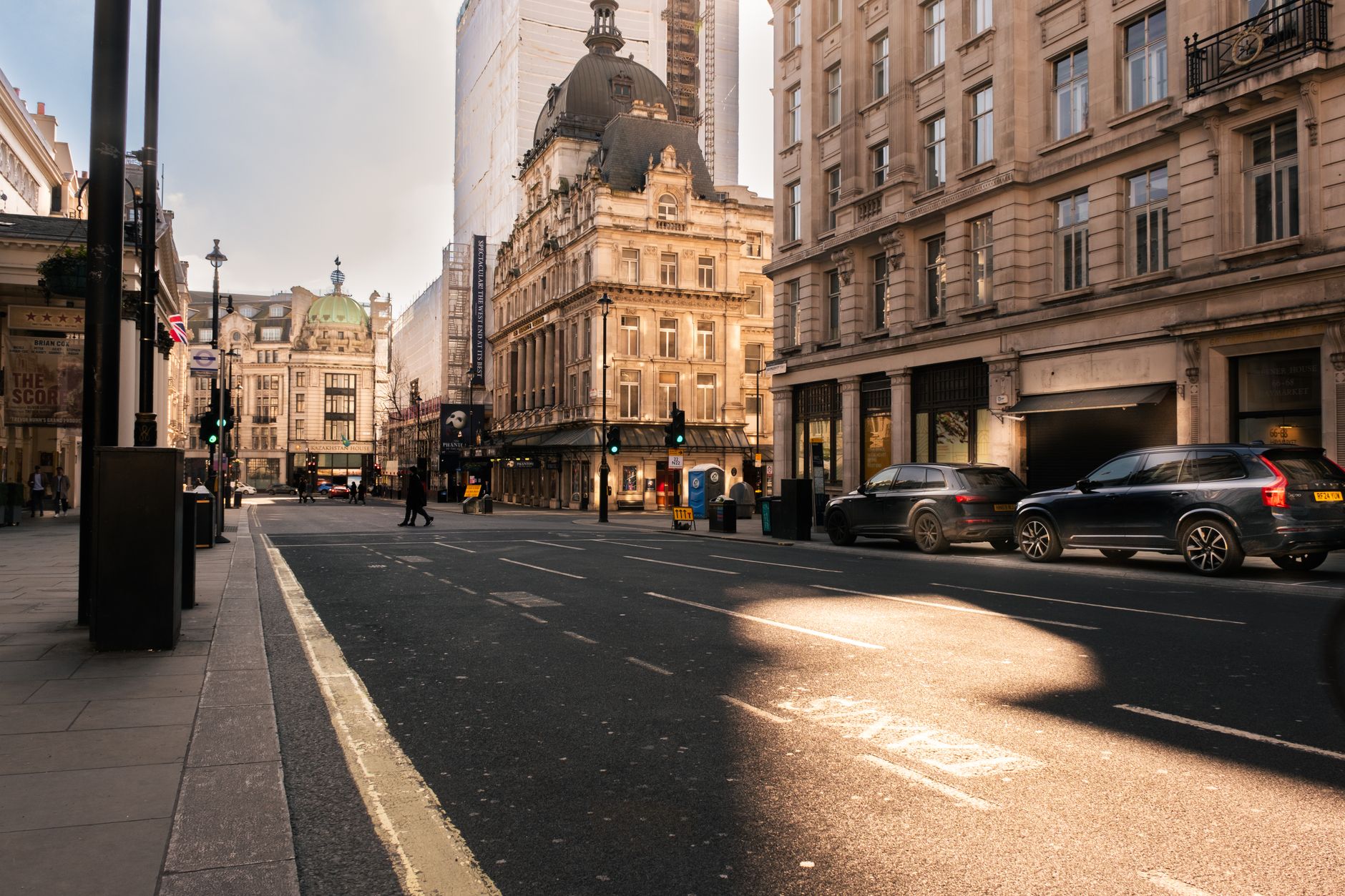
Mrs Dalloway (1925) covers a single Wednesday in June 1923, as Clarissa Dalloway crosses London to buy flowers for a party she will host that evening. Big Ben strikes the hours to keep you oriented, and the whole book runs to roughly 200 pages. Across town, a shell-shocked veteran named Septimus Warren Smith moves through the same day, and the novel alternates between the two without ever letting them meet cleanly. That is the famous technique in practice: not fog, just the camera slipping from one head to another mid-street. If you can follow a crowded room of conversations, you can follow this.
The Second Book: To the Lighthouse
To the Lighthouse (1927) is the deeper water, and it rewards the swimmer. The Ramsay family and their guests spend a summer at a house in the Hebrides; young James wants to sail to the lighthouse, and the trip keeps being postponed. The novel's middle section, "Time Passes," hurries through roughly a decade — including the First World War — in about twenty pages, one of the strangest and most admired stretches in English fiction. Around it sit a dinner of boeuf en daube that takes a full chapter and the painter Lily Briscoe trying to finish a canvas she started years before. Read it second, once Mrs Dalloway has taught you the rhythm.
The Essay That Changes How You Read Her
A Room of One's Own (1929) began as two lectures Woolf gave to the women's colleges at Cambridge in October 1928. Its argument is blunt and material: a woman needs five hundred pounds a year and a lockable room to write fiction. The most quoted stretch invents Judith Shakespeare, an imaginary sister of William with equal talent and no schooling, and follows what the sixteenth century would have done to her. It is the clearest prose Woolf ever wrote, and after it, the novels stop looking like ornament and start looking like arguments won by other means.
What to Save for Later
Two books wait at the far end. The Waves (1931) hands the narration to six voices speaking in turn from childhood to old age, with no conventional plot to hold your hand; it is her most demanding novel and a poor place to begin. Orlando (1928) is the opposite problem — a joke that runs three centuries, following a poet who lives from the Elizabethan court into the 1920s and changes sex halfway through. Both are worth your time on a third or fourth visit, not a first. For the first visit, here is a week that works:
- Days 1–3: Mrs Dalloway in long sittings — the book has no chapter breaks, so pause at the striking of the hours.
- Day 4: rest, or read the first chapter of A Room of One's Own.
- Days 5–7: To the Lighthouse, one of its three sections per day.
Two practical notes. Do not reread sentences you half-caught; Woolf's paragraphs explain themselves a page later, and momentum matters more than total capture. And read her in stretches of forty minutes or more — she builds by accumulation, and ten-minute nibbles will leave you with the fog the label promised and none of the light.
Ready for what the 1920s did next? Browse the modern classics collection.#Virginia Woolf #Where to Start #Modern Classics