
Reading
Where to Start With Kafka
· 5 min read
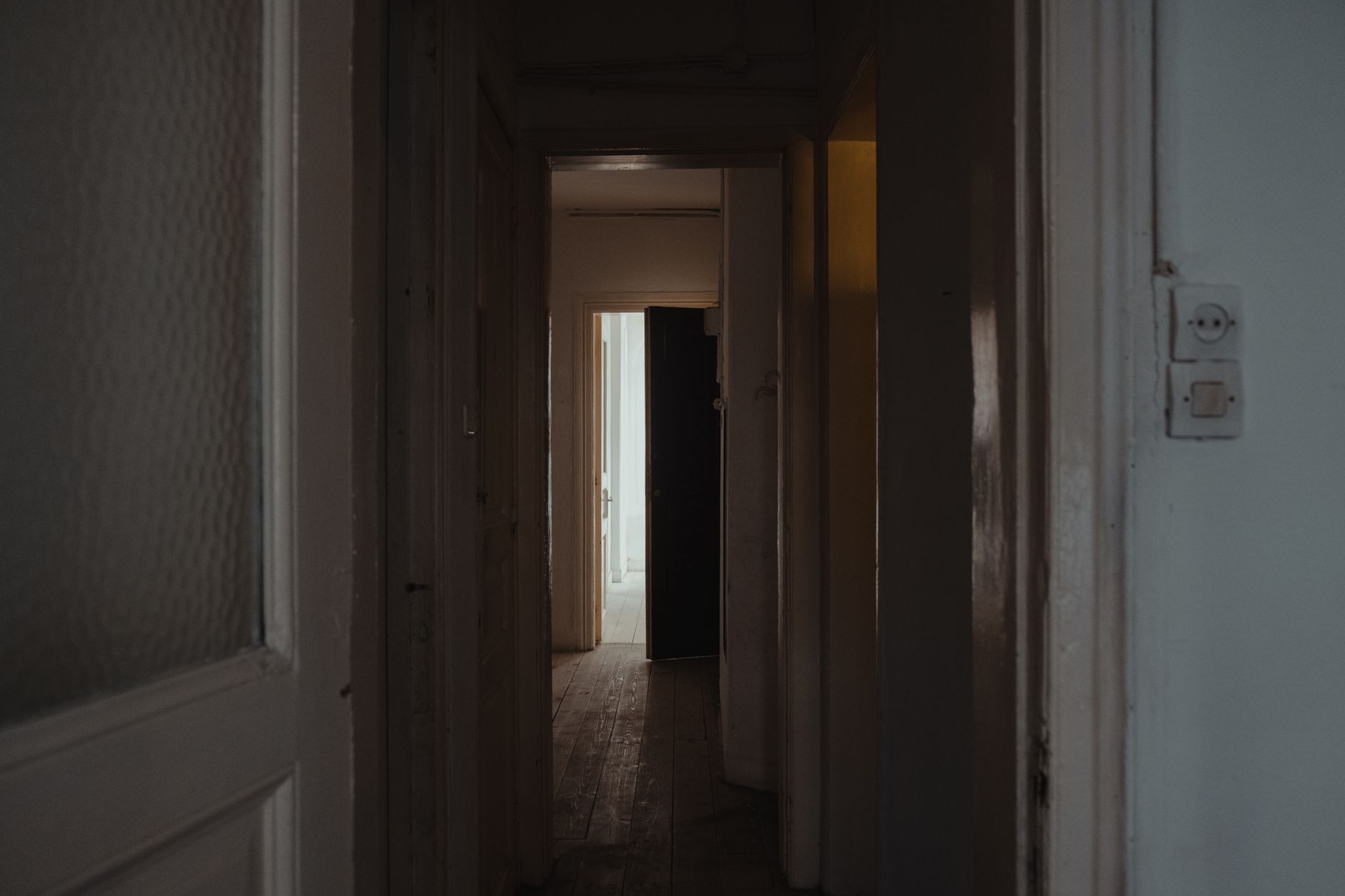
When Franz Kafka died of tuberculosis in 1924, aged forty, he left instructions for his friend Max Brod: burn everything unpublished. Brod refused, and nearly all of what we now call Kafka — The Trial, The Castle, most of the stories — exists because of that refusal. It also explains something useful for a first-time reader: much of Kafka is unfinished, so the standard rule of starting with an author's most polished work points somewhere specific.
Start With The Metamorphosis
The Metamorphosis (1915) is the one Kafka actually completed and published himself, and at roughly sixty pages it costs you an evening. Gregor Samsa, a traveling salesman supporting his parents and sister, wakes up transformed into a monstrous insect — and the horror is not the transformation but the logistics: he worries about missing his train. Watch the family's slow shift from panic to resentment, and the scene where a thrown apple lodges in Gregor's back. That is the full Kafka effect in miniature.
Then The Trial
Next comes The Trial, published posthumously in 1925. Josef K., a senior bank clerk, is arrested on the morning of his thirtieth birthday without ever being told the charge; he continues going to work while attending hearings in tenement attics. Brod assembled the chapters after Kafka's death, and the slight disorder suits the book. This is also where the adjective earns its definition: kafkaesque means being crushed by a system whose rules you can never see but are always guilty under.
Where to Go After the First Two
The stories In the Penal Colony (1919) and A Hunger Artist (1922) are short, brutal, and perfect. The Castle (1926), about a land surveyor summoned to a village that never admits him, is the deepest cut — and a warning for search results: The Castle of Otranto is a completely different book, Horace Walpole's 1764 gothic novel, which readers hunting Kafka's Castle grab by mistake surprisingly often.
A Prague Detour
If it is the atmosphere of early-1900s Prague that hooks you, try Kafka's near-contemporary Rainer Maria Rilke, born there in 1875. His Letters to a Young Poet collects ten letters written between 1902 and 1908 to a young military cadet, and reads like the warm inverse of Kafka's cold offices: the same seriousness about inner life, pointed toward hope instead of dread.
Two short books, then the stories, then The Castle if you want to live there. Kafka's reputation says difficult; the page count says one good weekend.
Keep going with the twentieth century's essential books in our modern classics collection.#Kafka #modern classics #where to start


