Reading
Where to Start With Hemingway
· 6 min read
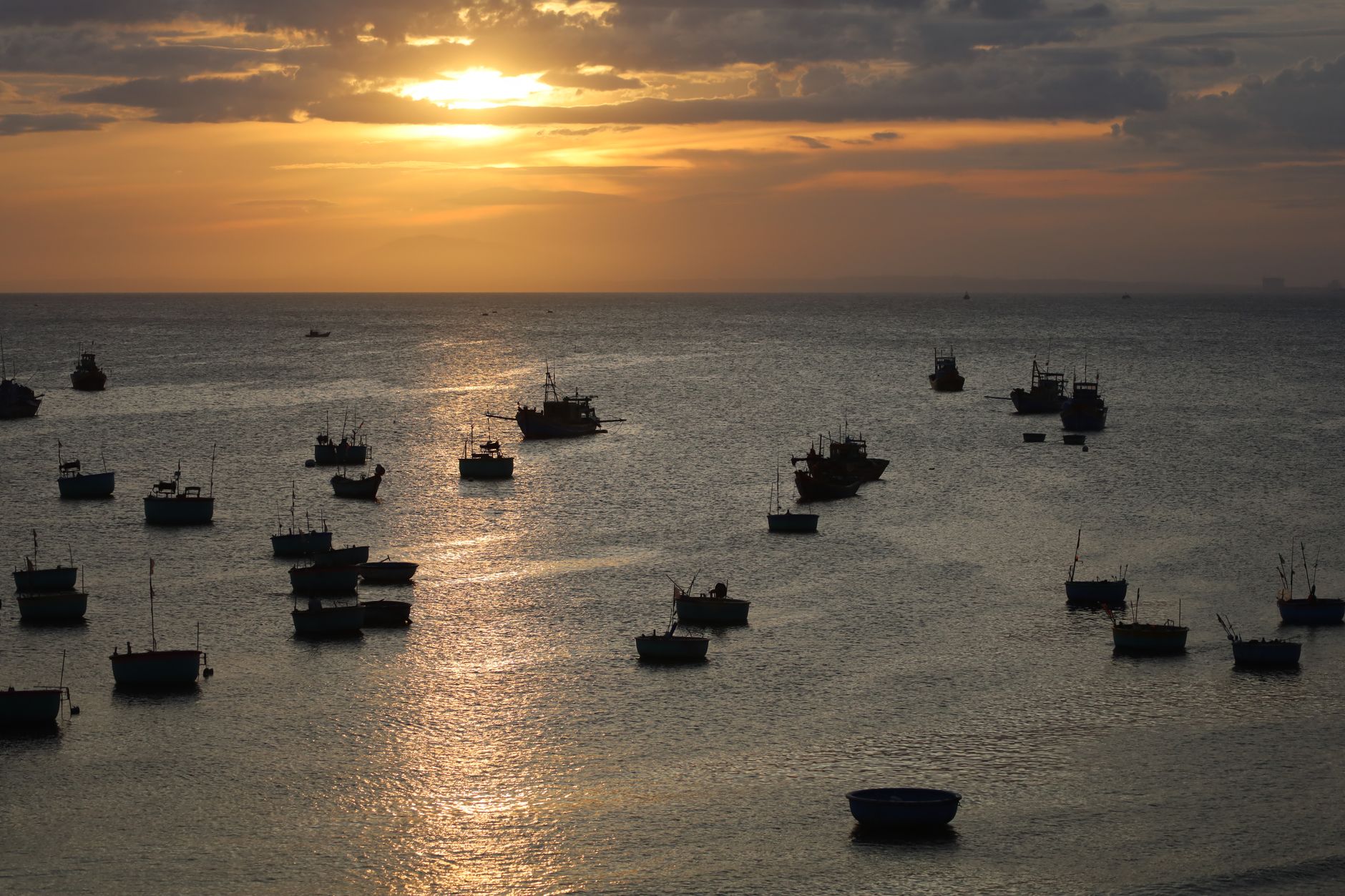
Eighty-four days. That is how long Santiago, the Cuban fisherman at the center of The Old Man and the Sea (1952), has gone without catching a fish when the book opens — long enough that the parents of Manolin, the boy who loves him, have ordered their son onto a luckier boat. Ernest Hemingway built a whole late career on that kind of arithmetic: small numbers, plain words, enormous pressure underneath. It makes him the easiest great American writer to start — and the easiest to start wrong.
The Best Hemingway Book to Read First
Stay with the old man. The Old Man and the Sea runs about a hundred pages — an afternoon and an evening — and contains the whole method: one man, one enormous marlin, the Gulf Stream off Havana, and sentences with no fat on them. It won Hemingway the Pulitzer Prize in 1953 and was singled out when the Nobel committee honored him a year later. More usefully for you, it is the only major Hemingway that requires no biography: you do not need Paris, the wars, or the legend to feel the line tightening in Santiago's hands.
Second: The Sun Also Rises
Now add the crowd. The Sun Also Rises (1926) was his first full novel, and it invented the image everyone now calls Hemingway: expatriates drinking through Paris, the wounded journalist Jake Barnes, the untouchable Lady Brett Ashley, and a week at the bullfight fiesta in Pamplona that has sent tourists to Spain every July since. The famous phrase "lost generation" sits at the front of the book, borrowed from Gertrude Stein. Watch what the dialogue refuses to say — Jake's war injury is never named directly — because that refusal is the engine of every scene.
Third: A Farewell to Arms
A Farewell to Arms (1929) is the payoff, and it needs the other two first because it asks more of you. Frederic Henry, an American driving ambulances on the Italian front of the First World War, falls for an English nurse named Catherine Barkley; the novel's centerpiece is the chaotic retreat from Caporetto, a real 1917 defeat Hemingway reconstructed so convincingly that readers assumed he had been there. He told an interviewer he rewrote the final page dozens of times before the words satisfied him — a confession of how much weight the quiet style carries by the end.
The Iceberg, and What to Skip for Now
The one sentence of theory you need: Hemingway wrote in Death in the Afternoon (1932) that a story should move like an iceberg, seven-eighths of it underwater, so trust that what he leaves out is there on purpose. As for the rest of the shelf, save it:
- For Whom the Bell Tolls (1940) — a dynamiter behind enemy lines in the Spanish Civil War; magnificent, but at roughly 470 pages it punishes beginners.
- A Moveable Feast (1964) — the posthumous Paris memoir; twice as good once you know the novels it gossips about.
- The short stories — start with "Hills Like White Elephants" (1927), four pages that teach the iceberg faster than any essay.
Read the three novels in that order — sea, fiesta, war — over a month and you will have the full arc: the style at its purest, then the style with a crowd, then the style under maximum load. Keep a pencil handy and mark what is not said; with this writer, the margins fill up faster than the lines.
Put Hemingway next to Tolstoy and Woolf — browse the literary giants collection.#Hemingway #Where to Start #American Classics