Reading
Tolstoy or Dostoevsky: Where to Begin?
· 6 min read

In 1959 the critic George Steiner published an entire book on this question — Tolstoy or Dostoevsky — and declined to settle it. He did offer a useful map: Leo Tolstoy is the poet of daylight, land, and families; Dostoevsky the poet of night rooms, fevers, and confession. Steiner's shorthand still works — call it the panorama versus the abyss — and it turns a scary either/or into a practical one: not which giant is greater, but which door you should walk through first.
The Panorama and the Abyss
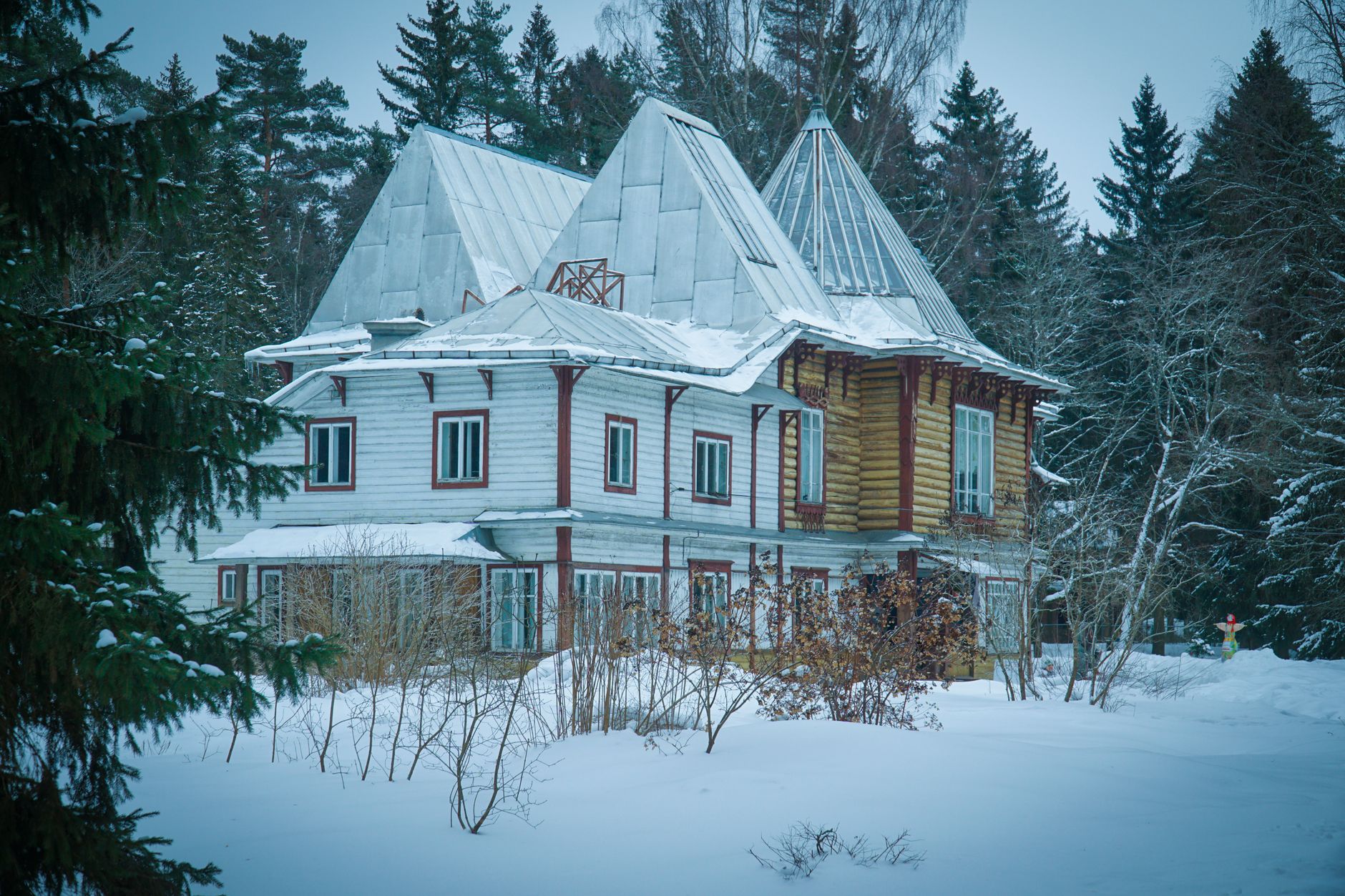
The lives explain the books. Tolstoy (1828–1910) was a count who ran his estate at Yasnaya Polyana, fought at Sevastopol, and wrote with the calm of a man surveying his own fields; his novels track dozens of characters across years of ordinary time. Dostoevsky (1821–1881) was arrested at 27, stood before a firing squad in a mock execution staged by the Tsar, and served four years in a Siberian prison camp; his novels compress into days, run on crisis, and read like testimony. Neither is harder than the other — they demand different muscles. Tolstoy asks for stamina, Dostoevsky for nerve.
Trying Tolstoy: Start Small, Then Go Panoramic
Do not start with the 1,200 pages of War and Peace. Start with The Death of Ivan Ilych (1886), a novella you can finish in two evenings: a careerist judge bruises his side while hanging curtains in his new apartment, and the injury refuses to heal. Everything Tolstoy believed about honest and dishonest living is in those ninety-odd pages, including Gerasim, the peasant servant whose plain kindness shames the household. If the method holds you, go on to Anna Karenina (1878) — the famous opening line about happy and unhappy families, an adulterous love story braided with a country landowner's search for a decent life, and a scene of Levin mowing with his peasants that readers remember decades later. At around 800 pages it is long, but it is long the way a summer is long.
Trying Dostoevsky: Four Nights, Then the Deep End
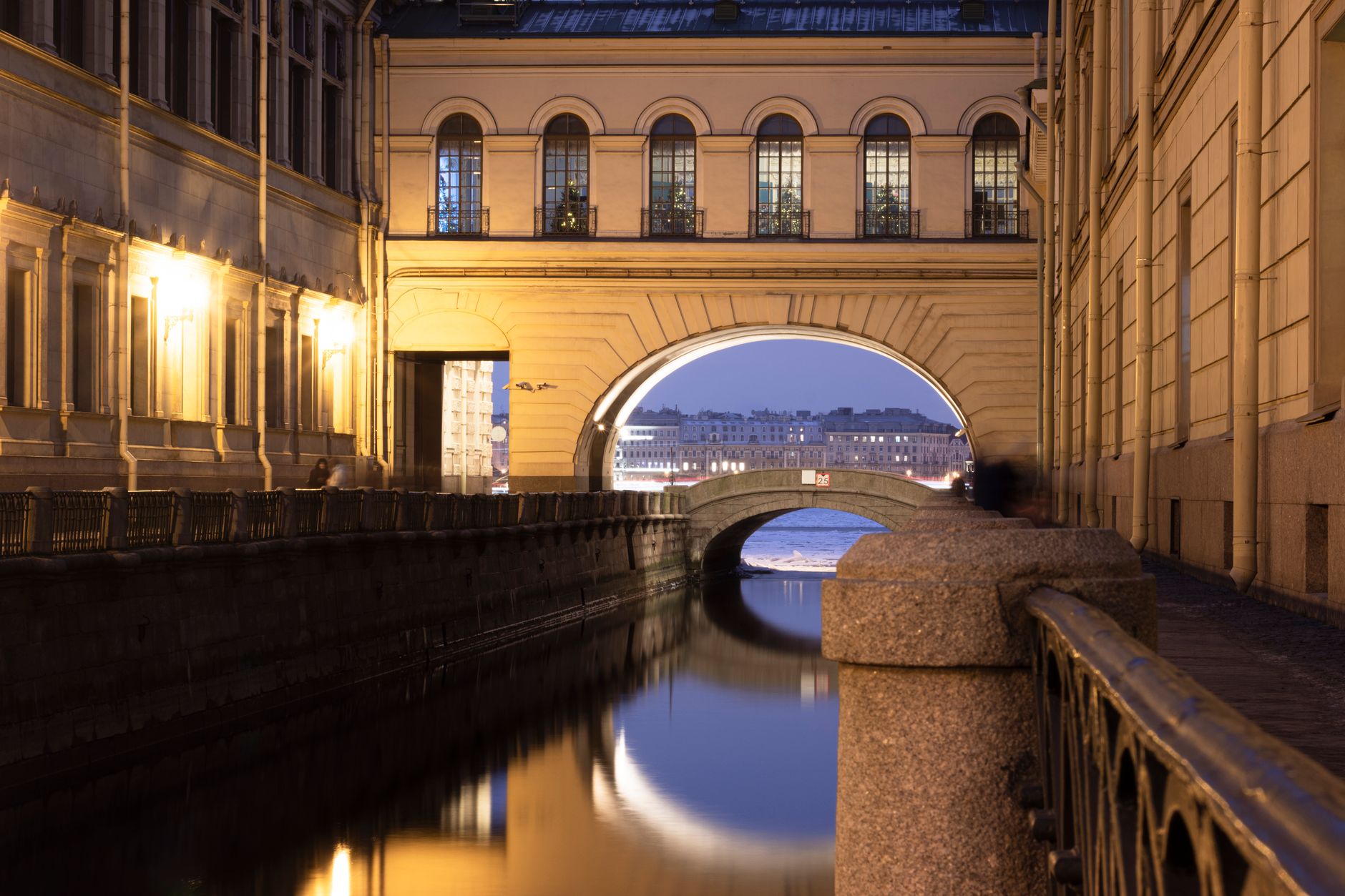
The gentle way in is White Nights and Other Stories — the title piece, from 1848, follows a lonely dreamer who meets a young woman named Nastenka on a St Petersburg canal embankment and talks with her across four nights. It is Dostoevsky before Siberia: sentimental, funny, almost weightless, and short enough for one sitting. Then jump to The Idiot (1869), where Prince Myshkin — an epileptic innocent returning from a Swiss sanatorium — walks into Petersburg society and upends it by simply telling the truth. Its signature scene, a scorned woman flinging a hundred thousand roubles into a fireplace to watch a rival sweat, tells you exactly what voltage to expect.
So — Tolstoy or Dostoevsky First?
Steiner refused to choose. You, with one winter and one nightstand, may need to:
- Choose Tolstoy if you love long weather, families at dinner, and moral questions worked out in daylight over years.
- Choose Dostoevsky if you love voices at 2 a.m., ideas argued until someone faints, and plots that detonate in a week.
- Genuinely torn? Read the two short ones — Ivan Ilych and White Nights — back to back; together they are barely 200 pages, and one of them will not let you go.
Whichever door you choose, we keep a longer map of each house: see our guides on where to start with Tolstoy and where to start with Dostoevsky when you are ready for the full staircase — War and Peace, Crime and Punishment, The Brothers Karamazov. And ignore anyone who insists you must swear loyalty to one camp. Steiner never did.
Meet both giants, and the rest of their shelf, in the literary giants collection.#Tolstoy #Dostoevsky #Russian Classics