Book Tips
The Case for Rereading the Books You Love
· 7 min read
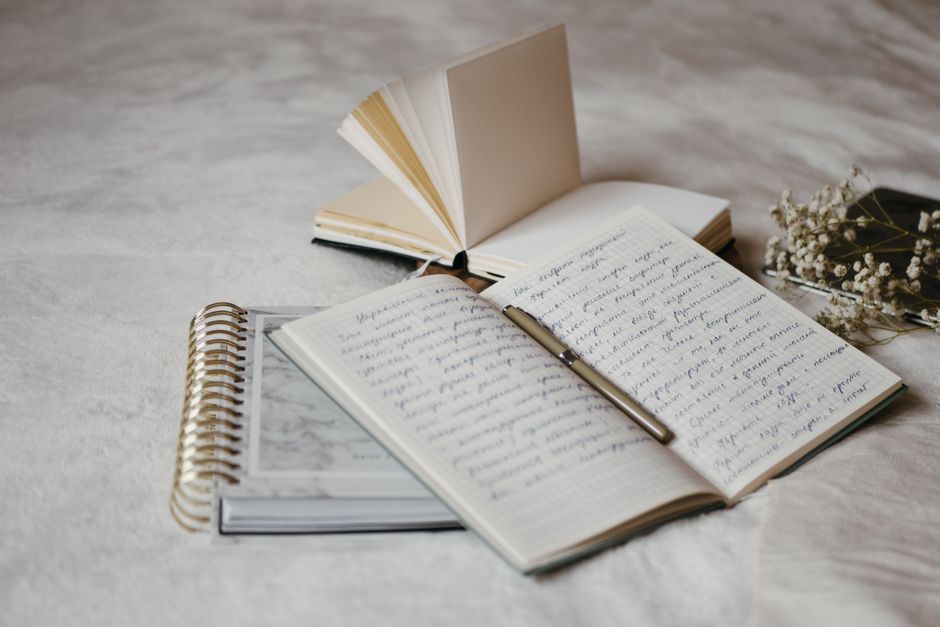
There is a quiet, nagging little guilt that a great many readers privately feel about the whole idea of rereading. With literally millions of unread books already out there in the world, and a personal to-be-read pile that only ever seems to grow taller and more accusing by the week, deliberately returning to one you have already finished can feel almost wasteful and self-indulgent - a bit like choosing to watch the very same film all over again while the cinema just down the road is busily showing a hundred brilliant ones you have never once seen. So we tend to press ever onward, always forward toward the next shiny new thing, and only very rarely allow ourselves the simple pleasure of going back.
But honestly, some of the very richest and most rewarding experiences in an entire reading life come specifically from rereading. The particular books that we choose to return to again and again over the years are genuinely not some guilty detour away from real, serious, forward-moving reading; they are, very often, precisely where reading actually goes its deepest and does its most lasting work on us. A beloved book met again for a second or a third time is never once quite the same book that you remember so fondly from before, and that quiet, subtle transformation is exactly and precisely what makes the whole return trip so genuinely worthwhile in the end. The towering pile of shiny new books will wait for you patiently. Some old friends, it turns out, are genuinely worth visiting again.
You Never Read the Same Book Twice
The actual words printed on the page have not shifted or changed by so much as a single comma, but you yourself have changed enormously in the meantime, and that one fact quietly changes absolutely everything about the entire encounter. The reader who returns thoughtfully to a novel at forty is quite simply not the same person at all who first raced through it, wide-eyed, at twenty. Completely different lines now leap out and quietly demand your full attention, different characters suddenly and unexpectedly earn your deep sympathy or your wary suspicion, and jokes, ironies, small cruelties, and buried sorrows that you sailed straight past the first time now land squarely with real, unexpected force. Rereading is, in its truest form, a quiet and searching conversation held between your past and your present selves, with the fixed, patient, unchanging book itself serving as the one honest and reliable measuring stick for just exactly how far you have genuinely travelled as a person in all the years that fell between the two readings.
Rereading Deepens What You Missed
The very first reading of any genuinely good book is always spent partly, and quite unavoidably, just urgently finding out what actually happens next in the story. Raw suspense pulls you relentlessly forward through the pages and, in doing exactly that, quietly hides a great deal of the book's real underlying craft and design from your view entirely. But freed at last from that first-time suspense, the second reading finally lets you notice and savour everything else that was there all along: the careful hidden structure, the buried foreshadowing, the quiet recurring patterns and deliberate echoes that the author patiently laid down long, long ago for exactly this precise moment of your eventual rediscovery. You suddenly see, with a small jolt of delight, how the whole ending was secretly hidden in plain sight right there in the very first chapter the entire time. Great books are quite deliberately built and engineered to reward exactly this kind of slower, knowing attention, and a genuinely surprising amount of their deepest artistry stays completely and stubbornly invisible until you already happen to know precisely where the whole story is ultimately going.
- The one specific novel that first genuinely turned you into a real reader, whatever it happened to be for you.
- A book you first read far too young to have had any real hope of fully understanding or appreciating it at the time.
- A dense, demanding classic that rushed past you the first time, unabsorbed, under the crushing pressure of an exam.
- A trusted comfort read to return to during anxious, sleepless, heartbroken, or simply exhausting seasons of life.
- A book that a close friend genuinely loves, so that the two of you can finally sit down and talk about it properly.
- Anything at all that you once raced through on a hot holiday and barely absorbed between the naps and the swimming.
- A cherished favourite from your childhood, reread slowly and deliberately to meet your own younger self face to face.
- A book you disliked the first time, revisited to see whether it was the book that was wrong or simply the timing.
The Comfort of a Known Story
Not every single reread has to be about earnestly uncovering hidden depths and admiring subtle literary craft; sometimes it is simply, honestly, and entirely legitimately just about pure comfort, and that is more than reason enough. Returning to a genuinely beloved book can feel exactly like visiting a dear old friend you have known for decades, or like walking slowly and happily through a city whose streets you already know by heart - you already know precisely where everything is, and the whole deep pleasure of it lies entirely in simply being there again, not in anxiously finding out what happens around the next unfamiliar corner. In genuinely anxious, uncertain, frightening, or plainly exhausting times in a life, the deep and total certainty of a story you already know and completely trust can be genuinely and profoundly soothing in a specific way that no brand-new, unpredictable book ever possibly can be. And there is absolutely no shame whatsoever, none at all, in sometimes reading purely for solace, for safety, and for the quiet reassurance of the deeply familiar.
“The book stays the same; the reader never does. To reread a book you love is to measure quietly how far you have travelled since you last turned its pages.”
How to Reread Well
Do try to be at least a little bit intentional and deliberate about it all, rather than just passively waiting around for the right nostalgic mood to happen to strike you out of nowhere. Keep a small, deliberate, honoured shelf of the specific books that are genuinely worth returning to over the years, and consciously do not save them only ever for some special, worthy occasion that somehow never quite manages to actually arrive. Space your rereads out generously by whole years wherever you can, so that you yourself have genuinely and measurably changed as a person in the long gap between visits, and so the book therefore has something genuinely new to quietly show you each time. Try switching deliberately to a completely new format for the reread, too - listening to the audiobook of a novel you once read only in silent print can make the whole thing feel wonderfully strange and unfamiliar all over again. And above and beyond all of that, simply drop the guilt entirely and for good, because a reread freely and happily chosen is honestly one of the very surest and clearest signs you can ever have that a particular book genuinely, deeply mattered to you.
So the very next time you happen to finish a book and then quietly feel that gentle, insistent, familiar pull back toward an old and trusted favourite, just go ahead and follow it, freely and completely without apology to anyone. The unread pile is genuinely patient and understanding, and it will still be sitting there faithfully waiting for you afterwards, exactly as tall as before. And the book that you loved so much has quietly been waiting too, patiently, all of this long time - ready and glad to show you, gently and without any judgement, exactly how much you yourself have grown and changed and travelled since the last time you turned its worn and familiar pages.
Revisit the modern classics worth a second read →#Rereading #Classics #Reading Life