Reading
Narnia Reading Order: Publication vs Chronological
· 6 min read

In 1994, HarperCollins renumbered the seven Chronicles of Narnia so that boxed sets now open with The Magician's Nephew — the story C. S. Lewis wrote sixth but set first. For the four decades before that, nearly everyone started with The Lion, the Witch and the Wardrobe, published in 1950. One editorial decision, two camps, and a question every new reader still has to settle before page one.
Here is what each order looks like, and why publication order remains the better first pass.
The Two Narnia Reading Orders
Publication order takes the books as Britain got them, roughly one per year through the 1950s. Chronological order follows Narnian time instead, from the world's creation to its final night. The publication sequence runs:
- The Lion, the Witch and the Wardrobe (1950) — four evacuee children, a wardrobe, and a witch who has kept Narnia in winter for a hundred years
- Prince Caspian (1951) — the Pevensies pulled back to a Narnia grown ancient without them
- The Voyage of the Dawn Treader (1952) — a sea quest eastward with their cousin Eustace Scrubb
- The Silver Chair (1953) — Jill Pole, Eustace, and Puddleglum the pessimistic Marsh-wiggle
- The Horse and His Boy (1954) — Shasta and the talking horse Bree, set during the Pevensies' own reign
- The Magician's Nephew (1955) — Digory, Polly, and the creation of Narnia, written as a prequel
- The Last Battle (1956) — the series' end, and winner of the Carnegie Medal
Chronological order simply reshuffles the same seven: Nephew first, then Wardrobe, Horse, Caspian, Dawn Treader, Silver Chair, Last Battle.
Why Publication Order Wins
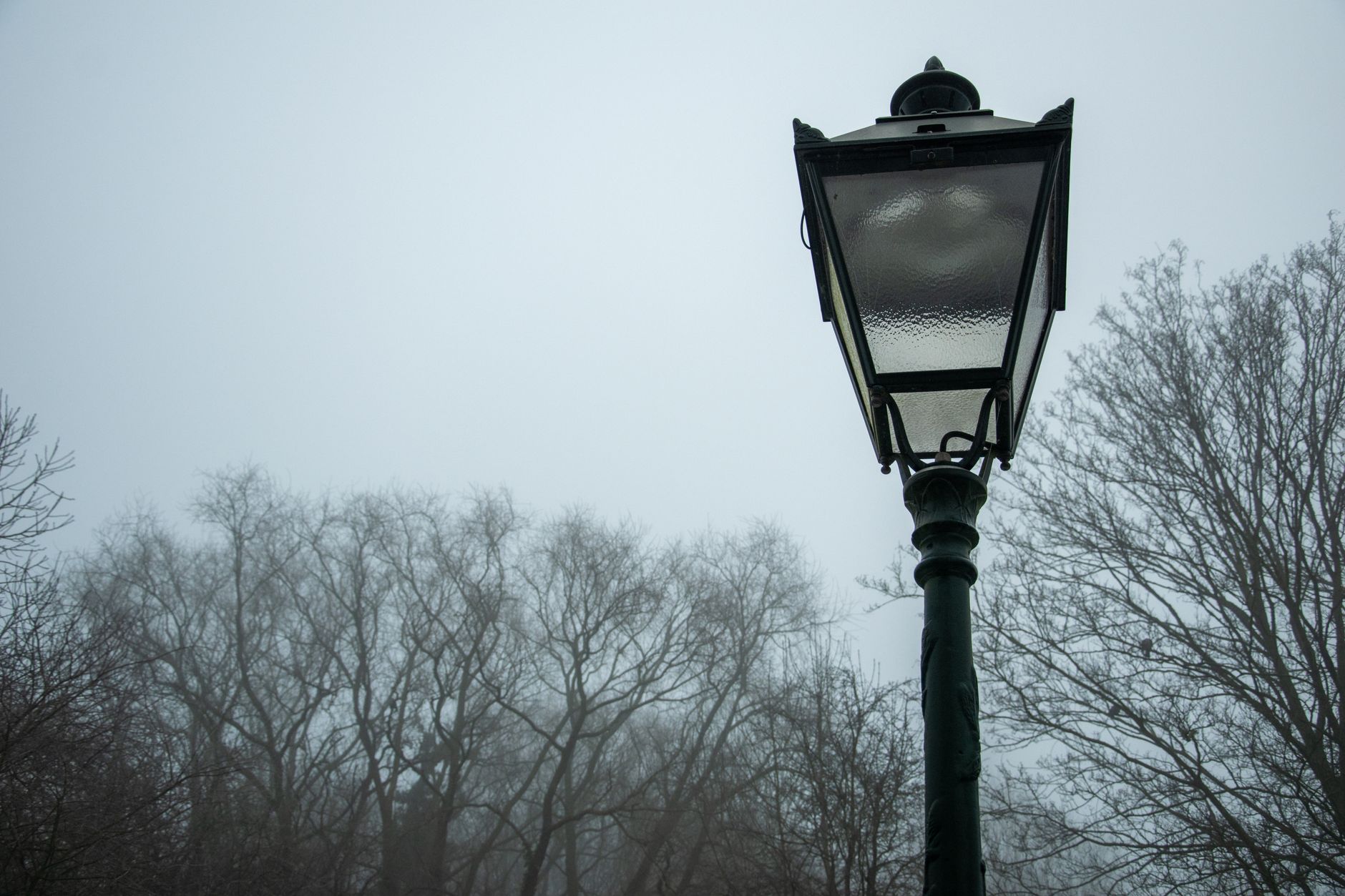
The 1950 book is engineered around not knowing. Lucy Pevensie pushes past fur coats into falling snow and meets a faun, Mr. Tumnus, carrying parcels beneath a lamp-post that has no business standing in a forest. When the name Aslan is first spoken at the Beavers' table, each child feels something inexplicable — horror for Edmund, a holiday-morning lightness for Lucy — before anyone has explained a thing. Chronological order hands you the answers up front. The Magician's Nephew puts Digory Kirke and Polly Plummer in the crowd at Narnia's creation; it explains the lamp-post, the wardrobe's wood, even the old Professor. Read sixth, those reveals detonate. Read first, they are trivia you did not yet know were secrets.
But Lewis Preferred Chronological — Didn't He?
The strongest card in the chronological deck is a 1957 letter. A young American reader, Laurence Krieg, wrote to Lewis backing Narnian-time order against his mother, who favored publication order. Lewis replied that the boy was perhaps right, adding that he had not planned the series in advance and that the order may not matter very much. It is a generous note to a child, not a directive — and it sits against the books themselves, which were written assuming readers met Aslan as a mystery before they met him as history.
The Test Case: Prince Caspian
Prince Caspian, published in 1951, quietly settles the argument. The four Pevensies are yanked off a railway platform into a Narnia where one English year has passed — and roughly 1,300 Narnian ones. They wander a ruin for a chapter before realizing it is Cair Paravel, their own castle. That recognition scene only lands if the golden age is one book behind you, not buried three books back with The Horse and His Boy wedged in between.
So take them as the 1950s did: wardrobe first, publication order all the way, with The Magician's Nephew arriving late as the origin story Lewis wrote it to be. Save chronological order for the reread, when the prequel's reveals can land as echoes instead of spoilers. Either way, The Last Battle stays last; on that much, both camps have always agreed.
Find your next portal — browse the fantasy and sci-fi shelf on Bookspace.#Narnia #C. S. Lewis #reading order