Reading
The Most Beautiful Opening Lines in Literature
· 10 min read
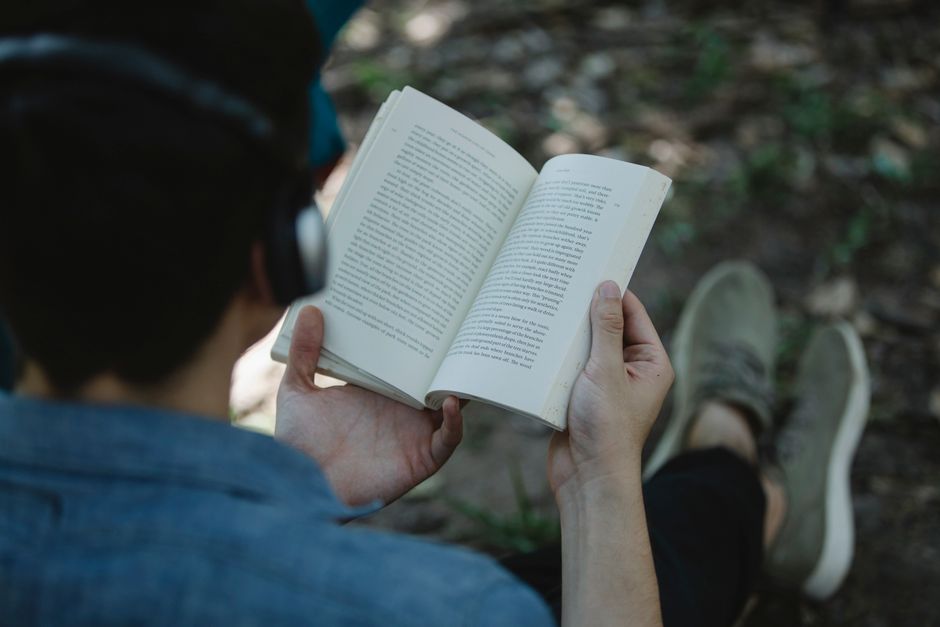
A great opening line does an almost impossible amount of work in a very small space. In a single sentence, sometimes in just three or four bare words, it has to establish a tone, raise an urgent question, and quietly make a promise that the rest of the book fully intends to keep, and it must do all of this before you have committed to a single character or the faintest outline of a plot. The finest first lines are tiny spells; you read one once, almost by accident, and discover that you simply cannot leave. Writers agonize over them, rewriting a single sentence dozens of times over many months, and they do it for a very good reason.
Some famous openings are celebrated for their sheer music, the exact way the words fall against the ear; some for their teasing mystery, the questions they pointedly refuse to answer; and some for managing to say, in a mere dozen words, precisely what the entire novel that follows is secretly about. Collecting these sentences, noticing them, turning them over in idle moments, is one of the small and lasting pleasures of a reading life, a private hobby that costs nothing and quietly deepens everything. Here are some of the most beautiful and enduring first lines ever committed to paper, along with a little about what makes each one work its particular magic on the reader.
The famous first sentences
- Call me Ishmael. Herman Melville opens Moby-Dick with three plain words that feel like a hand extended toward you in the dark, an invitation, a confidence, and a faint warning all at the very same time.
- It was a bright cold day in April, and the clocks were striking thirteen. George Orwell tells you that the entire world of 1984 is subtly and profoundly broken before you have even met a single human being who lives in it.
- It is a truth universally acknowledged, that a single man in possession of a good fortune, must be in want of a wife. Jane Austen opens Pride and Prejudice with a line so dry and so witty that it is instantly a whole thesis about her world.
- All happy families are alike; each unhappy family is unhappy in its own way. Tolstoy opens Anna Karenina with a sentence now quoted daily by countless people who have never actually read the great novel standing behind it.
- The past is a foreign country: they do things differently there. L. P. Hartley opens The Go-Between by distilling the entire bittersweet ache of memory and lost time into one clean, unforgettable image.
- Many years later, as he faced the firing squad, Colonel Aureliano Buendia was to remember that distant afternoon. Gabriel Garcia Marquez folds past, present, and future together in a single dizzying breath.
- Mother died today. Or maybe yesterday; I can't be sure. Albert Camus opens The Stranger and unsettles you completely in just six flat, chilling, strangely affectless little words.
- Last night I dreamt I went to Manderley again. Daphne du Maurier opens Rebecca in a haunting, dreamlike hush that you can almost physically hear settle down over the page.
Why the first line matters so much
A first sentence is really the handshake between a writer and a reader, and, exactly like a handshake, it manages to tell you a surprising amount about a person in a single fleeting instant. It establishes voice above all else, the vast and immediate distance between Austen's arch, amused irony and Camus's cold, flat detachment, and in the very same motion it plants the precise question that will keep you turning pages deep into the small hours of the night. A weak or clumsy opening can be forgiven if the book earns back your trust later on, but a truly great one is an outright gift; it wins your confidence before it has strictly earned anything else at all, and it makes you lean in, willing and curious, before you even quite know what you are agreeing to. This is exactly why so many writers save their fiercest editing for the opening paragraph; they know a reader browsing in a shop rarely gives a book more than a sentence or two to prove itself worthy. The opening is a job interview conducted in a single breath, and the truly great ones are hired on the spot. Read that way, a shelf of first lines is really a shelf of tiny auditions.
The art of the promise
The very finest openings make a specific promise that the book then quietly, patiently keeps across hundreds of pages. When Orwell writes that the clocks are striking thirteen, he is promising a world that is subtly and profoundly wrong in ways you cannot yet name, and 1984 delivers on that unsettling promise relentlessly, right to the last line. When Tolstoy announces that all happy families are alike, he is promising a close, unflinching study of one particular family's unhappiness, and Anna Karenina obliges in full and devastating detail. Part of the deep, slow thrill of a great first line is precisely this: the growing, pleasurable anticipation of watching a promise made in the opening sentence finally, satisfyingly pay itself off three hundred pages later. Notice, too, how the very best openings quietly contain the whole book in miniature, the way a single seed contains the entire tree. Camus's flat, affectless first lines could belong to no other novel but The Stranger, and that perfect fit is precisely the point.
How to read for openings
Try this simple experiment the very next time you find yourself in a bookshop, a quiet library, or scrolling through a reading app late at night: read nothing but the first sentence of a dozen different books, one right after another, and notice carefully which of them make your pulse tick just slightly faster. It is a startlingly reliable way to find your genuine next read, far more useful than the cover art or the breathless blurb, because a writer who can truly land an opening line almost always knows exactly what they are doing on page two hundred as well. Your instinct about a first line, that small involuntary lean toward the page, is very rarely wrong, so learn to trust it and follow where it points.
“A first line is a door left slightly ajar. The best ones you simply cannot help but push open.”
Start your own collection
Once you genuinely start noticing opening lines, the strange and happy truth is that you find you cannot easily stop. Keep a running note somewhere, on your phone or in a battered paper notebook, of all the ones that stop you cold, drawn equally from the towering classics and from novels published only last week, and you will slowly, almost without any effort at all, build up a private anthology of the sentences that spoke directly and personally to you. It is one of the most quietly enjoyable habits a reader can possibly cultivate, costing nothing but a little attention, and it has a wonderful side effect that keeps on giving: it will lead you, again and again and again, straight into your next genuine favorite book.
Find your next read →#Opening Lines #Craft #Reading List