Book Tips
How to Start Reading Poetry Even If It Intimidates You
· 8 min read
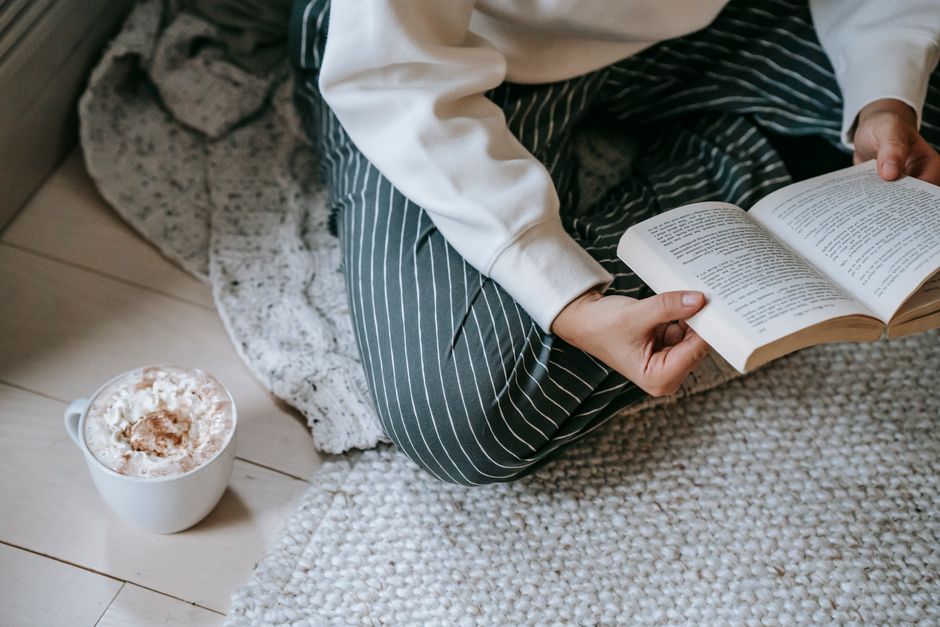
For a great many otherwise confident adults, poetry quietly carries the faint but unmistakable dread of a school exam: a single poem projected up on a whiteboard, a teacher asking the whole class what the poet really and truly meant by it, and that horrible sinking feeling in your stomach that absolutely everyone else in the room had somehow already cracked a secret code that you alone simply could not see or crack. So it is genuinely no wonder at all that so many otherwise voracious, adventurous, and confident readers quietly steer well clear of the poetry shelf altogether for the rest of their lives, filing the entire ancient art form away, once and for all, under the sad and final heading of things that are simply not for me.
But poetry was genuinely never once actually meant to be a locked puzzle with one single hidden correct answer patiently waiting inside to be found and graded. It is, in fact, the very oldest and by far the most intimate form of writing that there is anywhere, far closer in its real nature to music than to dreary homework, and for the overwhelming majority of human history it was spoken, chanted, and sung aloud around fires rather than silently analysed with a pen in an exam hall. So, approached honestly and without any of the crushing pressure of the classroom and the looming exam hanging over it, poetry very quickly becomes one of the single most rewarding and genuinely portable pleasures in the whole wide world of reading. You just quietly need to grant yourself full permission to actually enjoy it entirely and only on your own relaxed terms, and nobody else's.
Forget What School Taught You
The first and by far the most important single step of all is to gently and firmly unlearn the deep-seated idea that a poem is fundamentally a lock, and that your one job as a reader is therefore to hunt frantically for the single correct key that finally opens it up. You genuinely do not ever have to decode a poem, to identify and name every technical device buried within it, or to arrive triumphantly at the one correct interpretation that some long-ago teacher happened to have in mind that day. A poem is completely and fully allowed to simply wash right over you instead - a mood, a single striking image, one solitary line that lands somewhere deep and wordless and true inside your chest. And if even one single phrase in the whole thing gives you a small, involuntary shiver of genuine recognition, then that poem has already quietly and completely done its real work on you, and no further explanation, analysis, or justification is required from you or owed by you to anyone else at all, ever.
Read It Aloud and Read It Slow
Poetry is written quite deliberately for the human ear at the very least as much as it is ever written for the eye, so you genuinely must read it aloud, even if only very quietly and privately under your own breath. Actually hearing the rhythm of the lines, the deliberate weighted pauses, and the sheer physical sound of the words rubbing up against one another unlocks whole worlds of meaning and pure pleasure that fast, silent, skimming reading races straight past and misses entirely. And you must genuinely slow right down, properly slow down, because a single short poem can quietly hold every bit as much inside it as an entire long chapter of ordinary prose does. There is no page count whatsoever to hit here, and there is absolutely no one anywhere waiting impatiently for you to finish and move on. Lingering happily over just eight short lines, reading them three or four times over, letting them slowly sink in and settle - that is emphatically not some embarrassing failure to make proper progress. That, right there, is quite literally and exactly the entire point of the whole endeavour.
- Read every single poem aloud, even quietly, and let the sound and the rhythm do at least half of the real work for you.
- Start with just a single poem a day, rather than grimly trying to swallow a whole dense collection all at once.
- Begin deliberately with contemporary, accessible, welcoming poets before ever reaching for the dense and forbidding old classics.
- Do not lunge for the dictionary in the middle of a poem; let the feeling and the images arrive first, before any analysis.
- Reread each poem two or three times over, since the great majority of poems only truly open up on the second or third pass.
- Copy a favourite poem out slowly by hand, so that you can feel from the inside exactly how it is actually built and balanced.
- Keep a single poem in your pocket or saved on your phone, to quietly return to during the small idle gaps in your day.
- Follow the poets you enjoy rather than forcing famous ones, and let genuine liking, not duty, guide where you go next.
Start With Poets Who Welcome You In
Where exactly you choose to begin your reading matters absolutely enormously, and getting that single choice badly wrong right at the start is precisely the thing that wrongly convinces most people, for life, that they simply dislike all poetry. Plunging straight and unprepared into the most difficult, dense, and allusion-packed classical verse ever written is honestly the single fastest possible way to instantly confirm every one of your worst old school-day fears about the whole business. So instead, quite deliberately start out with poets who happen to write with real clarity and genuine human warmth - a great many wonderful modern and contemporary poets speak in plain, direct, unpretentious, deeply human language about love, grief, nature, family, memory, and the texture of ordinary daily life. Good broad anthologies are genuinely perfect for exactly this cautious purpose, because they let you quickly sample dozens of completely different poetic voices in a single relaxed sitting, and thereby notice, quite naturally and quickly, precisely which particular ones make you instinctively lean in closer and which ones you can very happily just turn the page on and skip past without a second thought.
“A poem does not ask to be solved. It asks to be heard, felt, and returned to - and it gives a little more of itself each time you come back.”
Reread, and Let Meaning Arrive Later
Ordinary prose is very nearly always carefully built to be understood fully and completely on a single first pass, but poetry works in a fundamentally different way and instead richly rewards patient return visits in a way that almost nothing else in reading ever quite does. A particular poem that quietly puzzles or even frankly bores you today may well crack itself wide open on a second reading next month, or next year, once your own life has quietly shifted and turned just far enough to finally rise up and meet it halfway. So genuinely do not demand instant, total comprehension of yourself, nor of the poem sitting in front of you, and do not ever mistake momentary confusion for a final verdict on either of you. Instead, just calmly let the images and the strange, half-understood phrases simply sit and steep quietly within you, and trust, with real confidence, that meaning very, very often arrives entirely quietly and completely unannounced, long, long after the actual reading itself is done and you have moved on to other things entirely and forgotten you were even waiting.
So go ahead and pull up just a single poem tonight, right now, read it aloud slowly two full times over, and then firmly and deliberately resist the strong old urge to immediately explain it back to yourself or to secretly grade your own understanding of it against some imaginary standard. Chase after the individual lines that genuinely give you that small involuntary shiver, and let them stay and live with you; then calmly and guiltlessly ignore the ones that simply do not, without any apology to anyone. Just let poetry go quietly back to being exactly and only what it always truly was, long before school ever got its anxious hands on it - not some dreaded test to be passed and graded, but a quiet, deep, and genuinely lasting private pleasure that is now yours to keep for the whole rest of your life.
Explore the poets of world literature →#Poetry #Beginners #Reading Skills