Book Tips
How to Get Out of a Reading Slump
· 7 min read
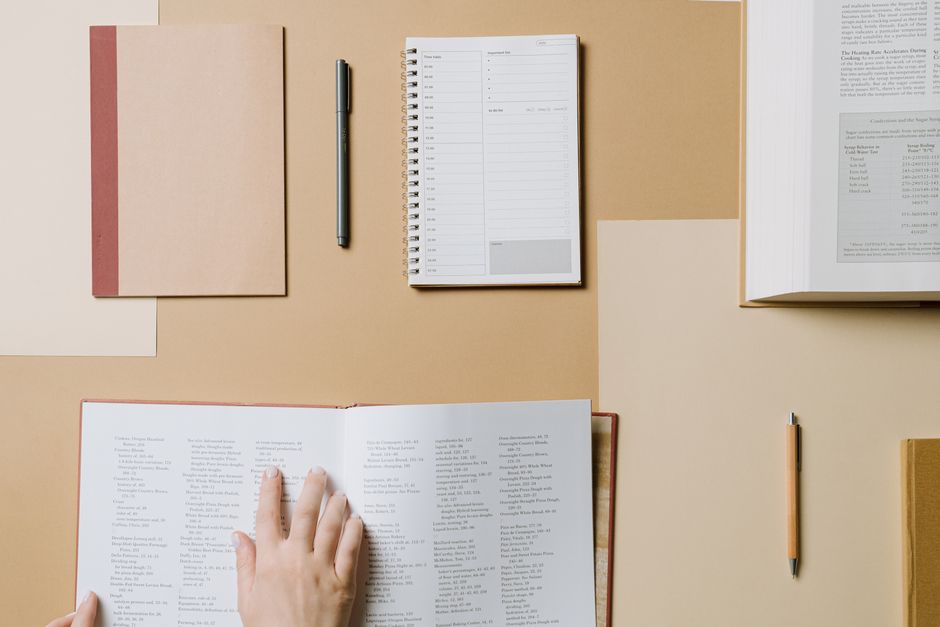
It comes for every single reader eventually, without exception, no matter how devoted. The hopeful stack of books by your bed stops shrinking week after week, the very same page has been open and unread for what feels like a fortnight, and picking up a book at all starts to feel vaguely like a chore that you keep quietly putting off until tomorrow. A proper reading slump can be genuinely disorienting and even a little distressing, especially if reading is a core part of how you privately see and define yourself, and it almost always arrives hand in hand with a small, persistent, nagging side order of guilt for good measure.
So take a slow breath and relax, because a slump is absolutely not the end of your reading life, and it says precisely nothing about your worth or your seriousness as a reader. It is a completely normal, entirely temporary, and thoroughly ordinary state, with very ordinary and identifiable causes and very fixable, low-drama solutions. Nearly everyone who reads seriously and regularly goes through them, usually more than once, and the great readers simply learn not to panic about it. And the genuine way back out is almost never more grim discipline or a sterner talking-to in the mirror. It is a little honest self-diagnosis, followed by a great deal of active permission to be gentle, patient, and forgiving with yourself while it passes on its own.
Diagnose the Slump First
Slumps reliably have real causes underneath them, and calmly naming yours points you almost immediately toward the right cure. So ask yourself honestly: are you simply exhausted, burnt out, or badly stressed at the moment, with no real mental room left over for anything that asks genuine effort of you? Did you perhaps burn out specifically on a single heavy, demanding, or deeply disappointing book, and quietly lose your whole appetite along with it? Are you right now grimly forcing yourself onward through something purely out of a sense of obligation to finish it? Or have you simply drifted, without ever quite noticing it happen, into a dull run of perfectly fine books that just do not actually excite or move you at all? The genuine remedy for a tired, overloaded, overstimulated brain is completely and fundamentally different from the remedy for a merely boring book, so it truly does help enormously to work out which specific one of these you are actually facing before you try anything at all to fix it.
Stop Forcing It
The overwhelming instinct in the grip of a slump is to grit your teeth, dig in, and try to grimly power through the very book that stalled you in the first place, but that approach almost always just deepens the rut you are stuck in. Instead, give yourself full, genuine, guilt-free permission to simply set that book aside for now - a book abandoned is emphatically not a book failed, and there is no examiner anywhere keeping score of your finishing rate. Sometimes, counterintuitively, the single most productive thing a stuck reader can possibly do is to stop trying altogether for a few days and let the appetite quietly and naturally return on its own, in much the same unforced way that ordinary hunger reliably does if you just wait. Reading is supposed to be one of life's most reliable and renewable pleasures, not some grim, joyless performance that you somehow owe to another person. Treat it consistently that way, with lightness, and it tends to come wandering back to you all on its own before too long.
- Reread an old favourite you already know you love; comfortable, familiar reading rebuilds the habit almost painlessly.
- Pick up something genuinely short - a slim novella, a graphic novel, or a small collection of essays or stories.
- Switch to a fast, unashamedly fun, plot-driven page-turner, like a gripping thriller or a great, warm romance.
- Try an audiobook instead, so the story simply comes to you while you walk, cook, commute, or tidy the house.
- Read something wildly and deliberately outside your usual comfortable genre, purely to reset your jaded palate.
- Set a five-minute timer and give yourself full permission to stop the instant it rings; you often will not want to.
- Talk to other enthusiastic readers and let yourself simply borrow a little of their genuinely contagious excitement.
- Change where you read entirely - a park, a cafe, a bath, a different chair - and let the fresh setting do the work.
Change the Format, Not Just the Book
If print itself has suddenly started to feel heavy, effortful, and faintly exhausting to face, then the real underlying problem might genuinely be the format you are using rather than any actual loss of your deeper desire to read at all. Slumps very often lift almost magically the moment you switch channels entirely and approach the same act from a completely different angle. An audiobook playing during a long, aimless walk, an ebook read comfortably one-handed in a hot bath, a beautiful, generous, illustrated book that asks almost nothing effortful of you - any single one of these can quietly slip right past the specific resistance that a dense paperback has recently started to trigger in you. The exact same story that you simply could not face on the printed page will sometimes slide in completely effortlessly through your ears instead, while your hands and eyes are busy and pleasantly distracted with something else entirely. So never once underestimate just how much a simple, low-cost change of format alone can genuinely do to break the spell.
“A reading slump isn't a sign that you've fallen out of love with books. It's usually just a sign that you need a different book - or a little rest.”
Be Gentle and Patient
However you eventually manage to break the slump, do it gently and kindly rather than aggressively or punitively, because how you emerge matters. This is precisely and exactly the wrong moment to set yourself some ambitious, rigid reading challenge that instantly turns books straight back into a source of pressure and quietly shoves you directly into the next slump before you have even recovered from this one. So lower the stakes as far down as they will possibly go, chase pure, uncomplicated enjoyment with absolutely no other goal or metric attached to it, and let the numbers and the yearly totals take care of themselves entirely and invisibly in the background. The genuine love of reading always, always comes back to you in the end, provided only that you stop actively scolding and shaming yourself for its temporary, harmless, and completely normal absence. Impatience and self-criticism are, reliably, the two things most guaranteed to make it linger far longer than it otherwise ever would.
So go ahead and put down the sad, accusing book that has been silently staring at you from the nightstand for a fortnight, and pick up instead something light, short, thrilling, or comforting - whatever genuinely sounds like real fun to you tonight rather than like more homework. Reading is not, and never was, a discipline that you are somehow quietly failing at and letting down. It is simply a deep and renewable pleasure that is waiting, patiently and completely without judgement, for you to finally relax, stop trying quite so hard, forgive yourself, and come wandering back to it in your own good time, whenever that turns out to be.
Find a page-turner to break the slump →#Reading Slump #Motivation #Recovery