Book Tips
Ebook vs Paperback vs Audiobook: Which Should You Choose?
· 8 min read
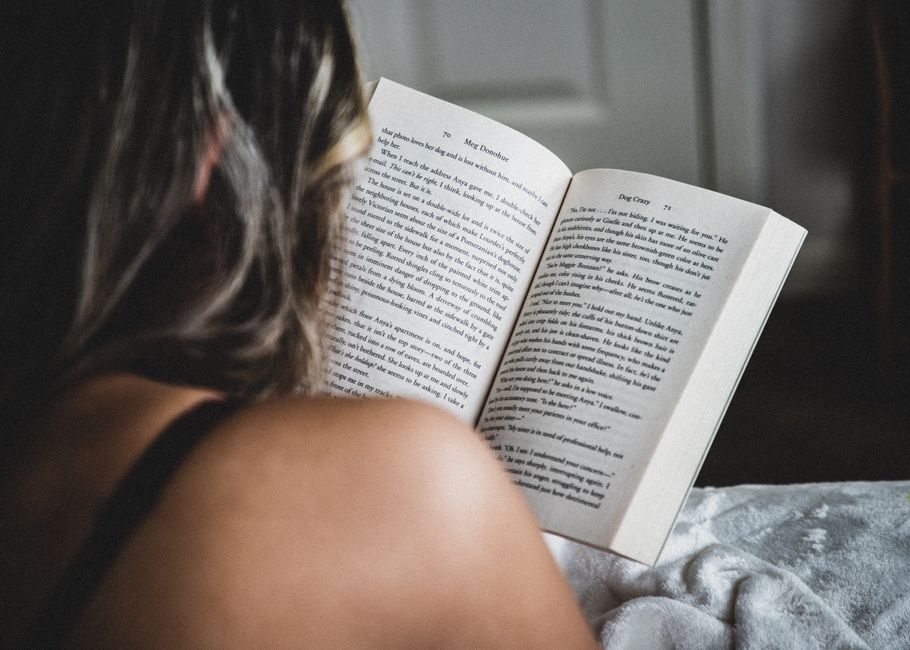
Ask a room full of committed readers whether ebooks genuinely count as real reading, and you will reliably start an argument that comfortably outlasts the coffee, the biscuits, and everyone's patience. The print loyalists will talk, misty-eyed, about the smell of paper and the reassuring weight of a good hardback in the hand. The digital converts will point out, a little smugly, that they now carry a thousand books at once in a single coat pocket. The audiobook fans, meanwhile, will quietly and reasonably wonder aloud why on earth anyone thinks their beloved commute-long habit is somehow a lesser or lazier form of the same thing everyone else is doing.
The actual truth of the matter is quietly, genuinely liberating once you accept it: there is no single best format at all, only the best format for a given book, a given mood, and a given moment in your day. The most contented and prolific readers do not pledge lifelong tribal allegiance to any one of the three. They move fluidly and unfussily between all three of them, letting each format do the specific thing it does best, and thinking absolutely nothing of switching from one to another halfway through a single book. Once you finally stop treating your choice of format as some kind of statement about your identity, taste, or seriousness as a reader, you start choosing with your actual life and circumstances in mind instead - and, almost as a side effect, you end up reading a great deal more. So here is an honest guide to how to decide between them.
The Case for Print
Physical, printed books remain genuinely unmatched for deep, sustained, focused reading, and that is really not merely comforting nostalgia talking, however easy it is to dismiss it that way. There is no notification quietly waiting in the wings to pull you away mid-sentence, no glowing rectangle full of other apps tempting you elsewhere, and the fixed, physical, unchanging page quietly helps your memory map exactly where a particular idea or scene sat within the whole. Study after study consistently suggests that we retain complex, demanding material a little better on paper than we do on backlit screens. Print also wins clearly and decisively for anything meaningfully visual: richly illustrated books, poetry that depends entirely on precise line breaks and white space, sprawling cookbooks splayed open and splattered on the kitchen counter, and any book at all that you will genuinely want to display proudly on a shelf, lend generously to a friend, or simply keep close for the rest of your natural life.
The Case for Ebooks
Ebooks are unapologetically the pragmatist's format, the quietly practical one that solves the largest number of small, real, everyday problems. An entire personal library fits comfortably inside your bag or coat pocket, the text obligingly lights itself up in the dark and enlarges instantly for tired or ageing eyes, and you can look up an unfamiliar word or highlight a striking line without ever once breaking your reading stride or reaching for anything. They are genuinely ideal for travel, for those chunky doorstop books that are a real physical pain to lug around, and for late-night reading beside a partner who is already fast asleep and would not thank you for a bedside lamp. For a great many busy readers, the humble ebook simply wins the whole contest on one single unbeatable quality that trumps all the romance of paper: it is always, reliably there, already loaded onto the phone or reader you were carrying with you everywhere anyway.
The Case for Audiobooks
Audiobooks quietly unlock whole reservoirs of time you genuinely did not even know you had going spare - the daily commute, the endless washing-up, the long meandering dog walk, the grim hour spent on the gym treadmill. A truly gifted narrator can lift a good book into something much closer to a private, one-person theatrical performance, generously supplying the voices, the regional accents, and the precise comic timing that the silent page politely leaves entirely to your own imagination. Audio is also a genuine, life-changing lifeline for readers with dyslexia or with visual impairments, swinging open doors that ordinary print keeps stubbornly shut and locked. And yes, to finally settle the oldest and most tiresome argument in the whole room once and for all: listening to a book absolutely, unambiguously counts as reading it. Your brain simply processes the very same story through a slightly different door, but the story itself arrives in exactly the same room in the end, and you are none the poorer, and quite possibly a little richer, for the particular route it happened to take to get there.
- For dense, difficult, or heavily annotated reading, reach for print every single time without hesitation.
- When travelling light, or reading in bed beside someone already asleep, go with a backlit ebook.
- For the commute, the chores, or exercise, press play on an audiobook and quietly reclaim all that lost time.
- For poetry, illustrated books, and anything strongly visual, choose print, genuinely without question.
- For a fast, fun page-turner you know you will devour in a sitting, simply grab whatever format is nearest.
- For a memoir read aloud by its own author, audio adds a real warmth and intimacy that print simply cannot.
- For a book you want to reference, lend out, or keep forever, buy it in print and give it a home.
- For a book you are only sampling to see if it grabs you, borrow the free library ebook before committing a penny.
“The best format is the one that gets you reading. A book finished on audio beats a beautiful hardback you never quite open.”
Why Not Use All Three?
The genuine power move, once you have made your peace with all of this, is to stop choosing sides entirely and instead start deliberately combining formats around a single book at once. A great many readers now quietly sync audio and text together, listening on the morning commute and then reading the very same book in print at home in the evening, and they consistently find that the two channels reinforce each other and deepen their memory of the story in the process. You might sensibly sample a book first as a free borrowed library ebook, and then buy the handsome print copy only if it truly earns a lasting, permanent place on your shelf. You might switch gratefully to audio for a dull and baggy middle chapter and then back to attentive print for a genuinely gorgeous one. Formats are simply not rival sports teams demanding your undying loyalty and season tickets; they are just useful tools lying in a box, and you are entirely allowed to reach in and use the whole kit however happens to suit you and the book in front of you.
So gently set down both the guilt and the format snobbery at the same time, in exactly equal measure, because neither of them was ever doing you the slightest bit of good. Choose your format honestly by the specific book in front of you and by the real, messy shape of the life going on all around you, mix them freely and without a shred of apology to anyone, and then judge the entire enterprise by one single honest measure and one only: how much you are actually, genuinely reading. The format itself was never really the point of any of this, and it never will be. The reading always was.
Search your next read in any format →#Formats #Audiobooks #Ebooks