Book Tips
How to Build a Beautiful Home Library on a Budget
· 8 min read
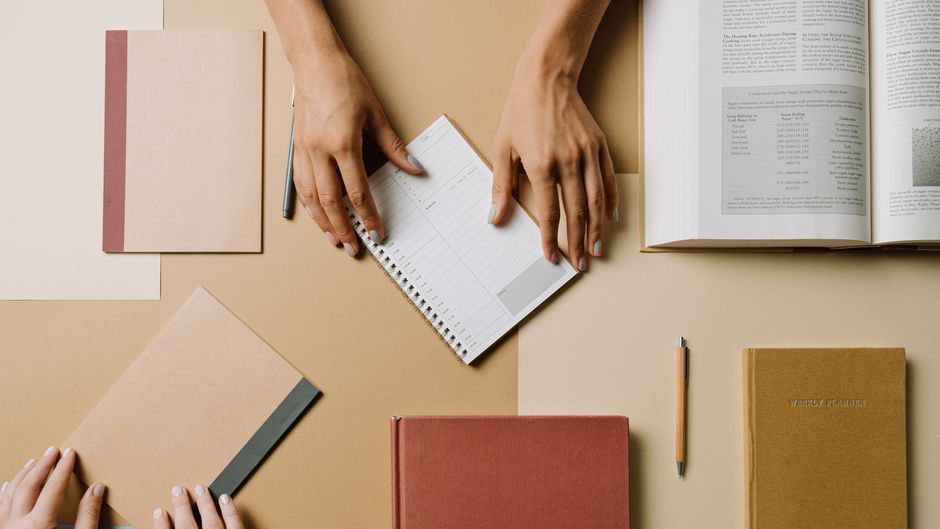
There is a particular daydream that an enormous number of readers quietly share: a whole wall of shelves, warm lamplight, a rolling ladder perhaps, and years of good books resting within easy arm's reach. Then they wander into a shop, check the price of a single new hardback, do some quick and faintly depressing mental arithmetic, and file the entire dream away under someday. That is a genuine and common mistake, because a rich, characterful home library has far more to do with time and taste than it ever has to do with money. The wealthiest reader in your neighbourhood and the most broke one can both build shelves worth envying, and often the broke one does it better.
Almost none of the most beautiful personal libraries were ever bought in one triumphant, expensive haul. They were assembled slowly and patiently, one book at a time, out of charity shops and secondhand sites, library sales and swap tables, and the quiet, generous overflow of other people's shelves. The people who own these libraries are not necessarily wealthy at all; far more often they are simply patient, curious, and a little strategic about how they hunt. If you are genuinely willing to play a longer game, and to find real pleasure in the hunt itself rather than in instant gratification, you can build shelves you are deeply proud of for a small fraction of what you assumed the whole thing would cost. The slowness is not a compromise here. It is the entire secret.
Collect What You Will Return To
The single fastest way to waste money on books is to buy the ones you merely think you should own, the ones chosen to impress an imagined visitor rather than to serve the actual reader you are. A home library is not a stage set dressed for an audience; it is a genuine tool and a daily comfort that you live alongside. So make a habit of prioritising the books you truly reread, the references you honestly reach for, and the authors whose new work you know you will always want in your hands. Let almost everything else simply pass through your life on loan, borrowed from the library or a generous friend and then returned without a second thought. A tightly curated shelf of fifty books you genuinely love and return to is worth infinitely more, by every measure that matters, than five hundred you bought to look impressive and then never once opened again.
Master the Secondhand Ecosystem
Once you actually start looking for them, cheap books turn out to be very nearly everywhere, hiding in plain sight. Charity shops, thrift stores, and hospital shops routinely sell recent, perfectly good titles for genuine pocket change, and because they restock so constantly, every single visit is a fresh and unpredictable treasure hunt. Secondhand online marketplaces let you track down specific titles you have been wanting, while dedicated used-book shops reward slow, patient, unhurried browsing with finds you never knew existed. The real trick underneath all of it is to treat the whole thing as a relaxed long game rather than an urgent shopping errand to be completed today. Keep a running wishlist on your phone at all times, and grab titles the moment they happen to cross your path cheaply, instead of paying full retail price the very moment a craving strikes. That patience, and only that patience, is the entire discount.
- Charity and thrift shops offer unbeatable prices and a constant, genuinely surprising rotation of donated stock.
- Library book sales, where donated and withdrawn books frequently go for less than the price of a coffee.
- Secondhand online marketplaces are ideal for hunting down specific out-of-print or backlist titles you actually want.
- Little Free Libraries and neighbourhood book boxes cost nothing at all and reward a simple walk around the block.
- Book-swap events, or just trading directly with friends who happen to read the kind of thing you love.
- End-of-semester sales near universities, when students offload entire shelves of books at once for almost nothing.
- Publisher and bookshop clearance tables reliably yield heavily discounted overstock, damaged jackets, and returns.
- Estate and yard sales, where whole personal collections are often sold off in a single afternoon for very little.
Borrow Before You Buy
The smartest and most disciplined collectors borrow before they buy, and it is genuinely the one habit that saves the most money over a lifetime of reading. Your public library, together with its free ebook and audiobook apps, lets you read as widely and adventurously as you like at absolutely no cost, and in the process it quietly reveals which specific books actually earn a permanent, honoured place on your own shelf. The plain truth is that most books, once read a single time, are perfectly content to be borrowed and then returned to circulation. So save your actual buying for the true keepers, the ones you know you will reread on a bad day, press insistently into friends' hands, and want to catch sight of on your shelf every single morning. A library card is quietly the most wildly underrated tool in all of book collecting, and it happens to cost you precisely nothing to own and use.
“A great home library is never bought in an afternoon. It is grown over years, one lucky find and one beloved book at a time.”
Care for Books, Don't Curate for Show
Once your shelves genuinely start to fill, you can protect the entire growing collection with almost no ongoing effort at all. Keep your books well out of direct sunlight and safely away from damp, since those two things, and not ordinary handling, are what actually ruin books slowly over the years. Never cram them so tightly onto a shelf that the spines crack and complain when you tug one free, and give the whole lot a light, cheerful dusting a couple of times a year. And do resist the collector's temptation to chase only pristine, untouched, perfect copies that you will then be secretly afraid to actually open and read. Secondhand books that carry a little visible history are a real part of the charm, not a defect to be apologised for: a previous owner's faded name inside the cover, a pressed ticket stub used as a bookmark, a thoughtful pencilled note left in the margin decades ago. Those are quiet features, not flaws.
Build your library slowly and patiently, and something genuinely wonderful happens almost without your noticing: the whole collection gradually becomes a kind of autobiography written in spines. Every book on the shelf holds a specific memory of exactly where you were and who you were when you first read it, whether that is the long hot summer you discovered a favourite author, the hard grey winter that one particular novel quietly got you through, or the insistent friend who refused to stop nagging until you finally read their favourite. That accumulated meaning is something no instant, expensive, ready-made shelf-in-a-box can ever hope to manufacture or fake. So start exactly where you are today, hunt patiently and cheaply, and let your collection grow, year by year, into an honest and affectionate portrait of your entire reading life.
See which books are worth owning →#Home Library #Budget #Book Collecting