
133 books
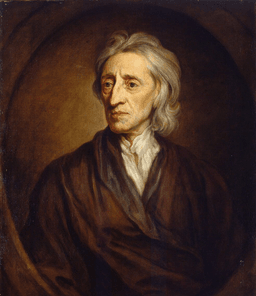
John Locke was a philosopher whose arguments about knowledge, personal identity, political consent, and education shaped enduring modern debates. An Essay Concerning Human Understanding explains how experience and reflection furnish the mind, then asks what understanding can and cannot know. An Essay Concerning Humane Understanding is a historical spelling of the same work, not a separate starting point. Second Treatise of Government presents legitimate authority through natural rights, consent, property, and resistance. Two Treatises of Government supplies the polemical setting. Some Thoughts Concerning Education moves from institutions to character, habit, and judgment. The Works of John Locke offers breadth but is less convenient as a first encounter. Reading An Essay Concerning Human Understanding beside Second Treatise reveals the link between a person capable of judgment and a government whose claims require justification.

John Locke

John Locke

John Locke

John Locke

John Locke

John Locke

John Locke

John Locke

John Locke

John Locke

John Locke

John Locke

John Locke

John Locke

John Locke

John Locke

John Locke

John Locke

John Locke

John Locke

John Locke

John Locke

John Locke

John Locke

John Locke

John Locke

John Locke

John Locke
![Of Our Knowledge Of The Existence Of A God [book 4, Chapter 10 Of The Essay Concerning Human Understanding]](/_next/image?url=https%3A%2F%2Faizona-bookspace-covers-878992432200-eu-central-1.s3.eu-central-1.amazonaws.com%2Fcover%2F9781376260687.jpg%3Fv%3D907x1360s889&w=384&q=82)
John Locke

John Locke

John Locke

John Locke

John Locke

John Locke

John Locke

John Locke

John Locke

John Locke

John Locke

John Locke

John Locke

John Locke

John Locke

John Locke

John Locke

John Locke

John Locke

John Locke

John Locke

John Locke

John Locke

John Locke

John Locke

John Locke

John Locke

John Locke

John Locke

John Locke

John Locke

John Locke
![Of Words Or Language in General, Book III of Essays [Sic] Concerning Human Understanding, With Notes](/_next/image?url=https%3A%2F%2Faizona-bookspace-covers-878992432200-eu-central-1.s3.eu-central-1.amazonaws.com%2Fcover%2F9781019636671.jpg%3Fv%3D856x1360s906&w=384&q=82)
John Locke

John Locke

John Locke

John Locke

John Locke

John Locke

John Locke

John Locke

John Locke

John Locke

John Locke

John Locke

John Locke

John Locke

John Locke

John Locke

John Locke

John Locke

John Locke

John Locke

John Locke

John Locke

John Locke

John Locke
![Of Words Or Language in General, Book III of Essays [Sic] Concerning Human Understanding, with Notes](/_next/image?url=https%3A%2F%2Faizona-bookspace-covers-878992432200-eu-central-1.s3.eu-central-1.amazonaws.com%2Fcover%2F9781287914099.jpg%3Fv%3D1044x1360s991&w=384&q=82)
John Locke

John Locke

John Locke

John Locke

John Locke

John Locke

John Locke

John Locke

John Locke

John Locke

John Locke

John Locke

John Locke

John Locke

John Locke

John Locke

John Locke

John Locke

John Locke

John Locke

John Locke

John Locke

John Locke

John Locke

John Locke

John Locke

John Locke

John Locke

John Locke

John Locke

John Locke

John Locke

John Locke

John Locke

John Locke

John Locke

John Locke

John Locke

John Locke

John Locke

John Locke

John Locke
John Locke
John Locke
John Locke
John Locke
John Locke
John Locke
John Locke


