
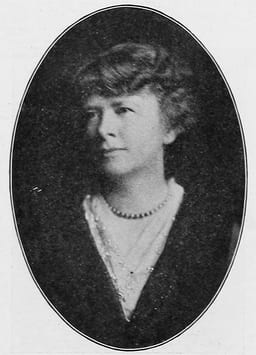
3 books
American novelist Eleanor Hodgman Porter (1868–1920) is remembered above all for Pollyanna, a story that tests optimism against bereavement, illness, and the obligations of a community. The orphaned heroine enters a tightly ordered household carrying the “glad game” learned from her father, then gradually changes how the town’s adults interpret their own losses. Porter does not leave cheerfulness as an effortless slogan: when Pollyanna herself faces a severe crisis, the novel asks whether practiced hope can survive pain rather than merely disguise it. That tension explains both the book’s emotional durability and the later use of its heroine’s name as shorthand for excessive optimism. Pollyanna is the soundest entry into Porter’s fiction because it shows the full movement from private coping ritual to reciprocal care, while keeping the child’s perspective at the centre of the moral argument.


